LMA

Papagayo done properly: the golden coves without the golden crowds

Lanzarote · 3 min read

Papagayo done properly: the golden coves without the golden crowds

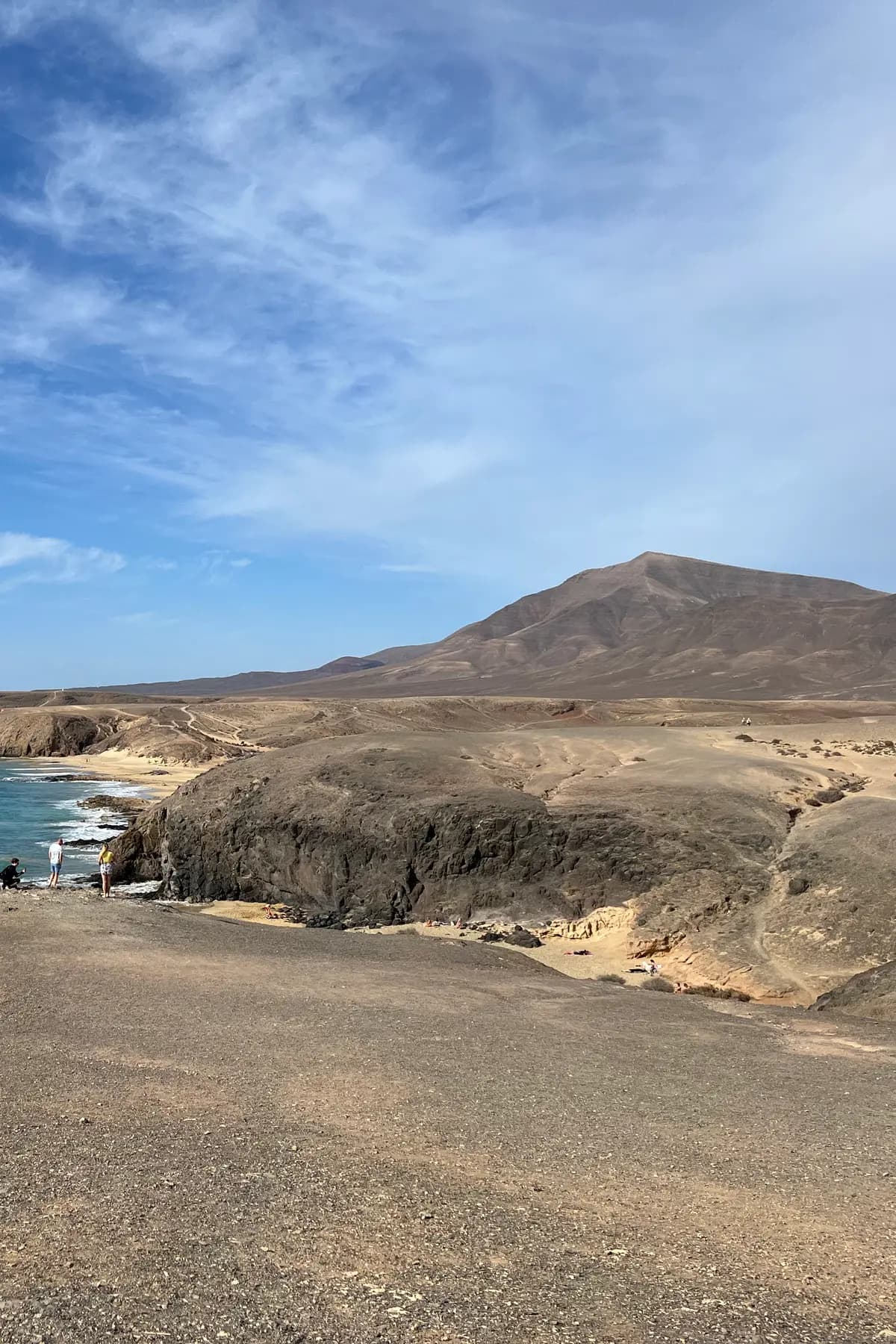
The Papagayo coves are the island's pin-up — half-moons of golden sand under ochre headlands, water like bottled Caribbean — and everyone knows it, which is the problem to solve. The playbook: come before ten or after five (the light is better anyway); pay the small car toll into the Los Ajaches natural park without grumbling — it keeps the coast unbuilt; skip the first parking lots and walk the cliff path, because each cove has its own character — Mujeres wide and easy, La Cera tiny, Papagayo the postcard amphitheatre, Caleta del Congrio wilder (and clothing-optional); bring water and shade — there's one chiringuito above Papagayo and nothing else; and snorkel the rocky edges, the calmest fish-watching on the island. In summer, consider arriving by kayak or on foot from Playa Blanca's promenade. Same coves, different century.

Papagayo earns its fame honestly: the southern tip of the island bends around into a sheltered bowl where the trade winds mostly miss, the swell rarely arrives, and a string of coves collects pale golden sand between rust-coloured points. The water over that sand does the turquoise trick better than anywhere else on Lanzarote, and the whole ensemble sits inside the Monumento Natural de Los Ajaches — the island's oldest mountains, worn to elegant bones — which is why there's not one hotel on the skyline. That absence is the luxury. The small vehicle fee at the park barrier funds it; pay it like a season ticket to the view.

The connoisseur's move is treating Papagayo as seven beaches, not one. From west to east: Playa Mujeres, the big friendly one, closest to the first car park, easiest with kids and kit. Playa del Pozo, broad and often quieter. Playa de la Cera, a pocket between cliffs, all intimacy. Playa del Papagayo itself, the icon — a golden amphitheatre between two headlands with the chiringuitos on the bluff above; earliest to fill, first to appear on your feed. And beyond the big headland, Puerto Muelas and Caleta del Congrio, longer, wilder, backed by the campsite zone — naturist by custom and signage, splendidly unbothered. The cliff-top path connects everything in flip-flop-possible minutes; ten minutes of walking reliably buys you eighty percent fewer neighbours.

Timing beats everything. Before ten, the coves belong to swimmers and the light rakes low across the headlands; midday belongs to the fleet of arrivals; from five, the crowds ebb, the water holds its warmth and the cliffs go copper — the best two hours of the Papagayo day. Wind rules that flatten elsewhere barely apply — this is the island's lee corner — but on strong southerly days the magic inverts: check before driving.

Logistics with affection: the access track is graded dirt, fine for any car, dusty for egos. Facilities are one cheerful chiringuito above Papagayo cove and essentially nothing else — carry water, snacks and your own shade, and carry out every trace (the park's cleanliness is a collective achievement, not a service). Snorkelling along the rocky flanks of each cove is the island's gentlest — parrotfish, bream, the occasional ray over the sand. Sporting alternatives bypass the car entirely: the coastal path from Playa Blanca's eastern promenade reaches Mujeres in under an hour of easy walking, and kayak or paddle-surf rentals (their card exists) turn the whole bay into your route. And a plea from the landscape: the slopes behind the beaches are fragile old-mountain crust — stick to paths, build no cairns, take only the tan. The coves have survived centuries of admirers by one trick: everyone leaving them exactly as found. Membership costs nothing; act accordingly.

Discover Lanzarote with LMA

More stories

An Island Carved by NatureWhite, Green and Volcanic: The Architecture of LanzaroteCésar Manrique: The Artist Who Shaped an IslandAn Ocean of AdventuresLife Beneath the WavesA Thousand Years of StoriesThe Taste of a VolcanoA Beach for Every MoodWine Grown in AshThe Island That Chose RestraintThe People Who Made This IslandThe Fire Mountains600 degrees beneath your shoesMalpaís, lajial, hornitos: learn to read the lavaFarming without rain: the peasant engineering that amazes the worldThe devil of Timanfaya and the Virgin who stopped the lavaThe cochineal: the insect that dyed half of Europe redIllustrious visitors: a palace gifted between kings and the house Omar Sharif lost at cardsTides: the ocean breathes twice a dayBeyond tourism: what the island exportsThe eternal spring: why it's never cold here — nor too hotAloe vera: the island's green pharmacyLa Graciosa: the eighth island, no tarmac and no hurryErmita de las Nieves: the top of the wall (and the island's oldest weather report)Ajaches: the grand old mountains hiding behind PapagayoWhen it rains (yes, it happens): the island's rarest spectacleUnder the darkest sky: stargazing on the volcano islandWine from the ashes: La Geria and the miracle of malvasía volcánicaSpeak like a conejero: little words that open the islandTimple, isas and the Rancho de Teguise: the island's soundtrackWhat the names mean: reading the map's oldest language1852: the year the islands went duty-free (and why your shopping still is)Europe's biggest marine reserve is right next doorCaletón Blanco: white sand on black lava (the north's little Caribbean)Playa del Risco: the beach you have to earn (or the island's best-kept walk)The island's guardians: the projects that look after itReading the ocean: flags, currents and swimming like a localPlan B: the art of the "bad-weather" day (a user's manual)The suitcases to Havana: when conejeros crossed the seaBeyond La Graciosa: Alegranza, Montaña Clara and the wild end of the worldArrecife: the capital that grew out of a puddle (a love letter)The natural pools: Punta Mujeres, Los Charcones and the art of the charcoThe north loop: palms, cliffs and the island's greenest morningEat where the boats land: a fish-village crawlThe sunset circuit: five ways the island ends a dayThe Stratified City: the labyrinth the wind carved (and nobody visits)Where astronauts learn to walk on other worldsIllustrious islanders: Einstein's physicist, the voice of "El talismán" and the barber of HaríaWhite gold: the salt pans that fed half a fleetThe island the pirates wouldn't leave in peaceWho lives on the island (and who visits it)?The island's calendar: a whole year of fiestas and eventsWhat exactly is the calima?Puerto del Carmen: the little fishing village where it all began (and the parrots' corner)Fifteen million years: the veteran of the archipelagoThe blind crab: white, tiny and found nowhere else on EarthThe hanging garden of FamaraSan Borondón: the island that appears and disappearsSurviving without rain: the tricks of the coastal plantsThe island's table: gofio, mojo and the art of honest cookingSurfing: El Quemao, Famara and the wave the champions respectCycling: the professionals' winter gymLichens and tabaibas: how life comes back after a volcanoTeguise beyond the market: six centuries in white and basaltThe wind that explains (almost) everythingHalf a volcano, a green lake and a roaring coastlineThe lava tunnel that runs into the seaCreatures from another world beneath your feetSweet endings: quesillo, bienmesabe and the little glass that followsA river of sand crosses the island (and it doesn't come from the Sahara)Tales of the Timanfaya devilSailing: navigating the sea of the trade winds