LMA

César Manrique: The Artist Who Shaped an Island

Lanzarote · 2 min read

César Manrique: The Artist Who Shaped an Island
Foto: LastMinuteAdventure

Few places on Earth carry the signature of a single artist the way Lanzarote carries César Manrique's. Painter, sculptor, architect and activist, he did not simply decorate his island — he changed how it thinks about itself.

Manrique was born in Arrecife in 1919 and grew up swimming in its harbours and exploring the volcanic badlands. After studying art in Madrid and spending time in New York among the giants of modern art, he returned home in the mid-1960s with a conviction that sounded impossible: Lanzarote, then a poor and little-known island, could become one of the most beautiful places on the planet — if it refused to imitate anyone else.

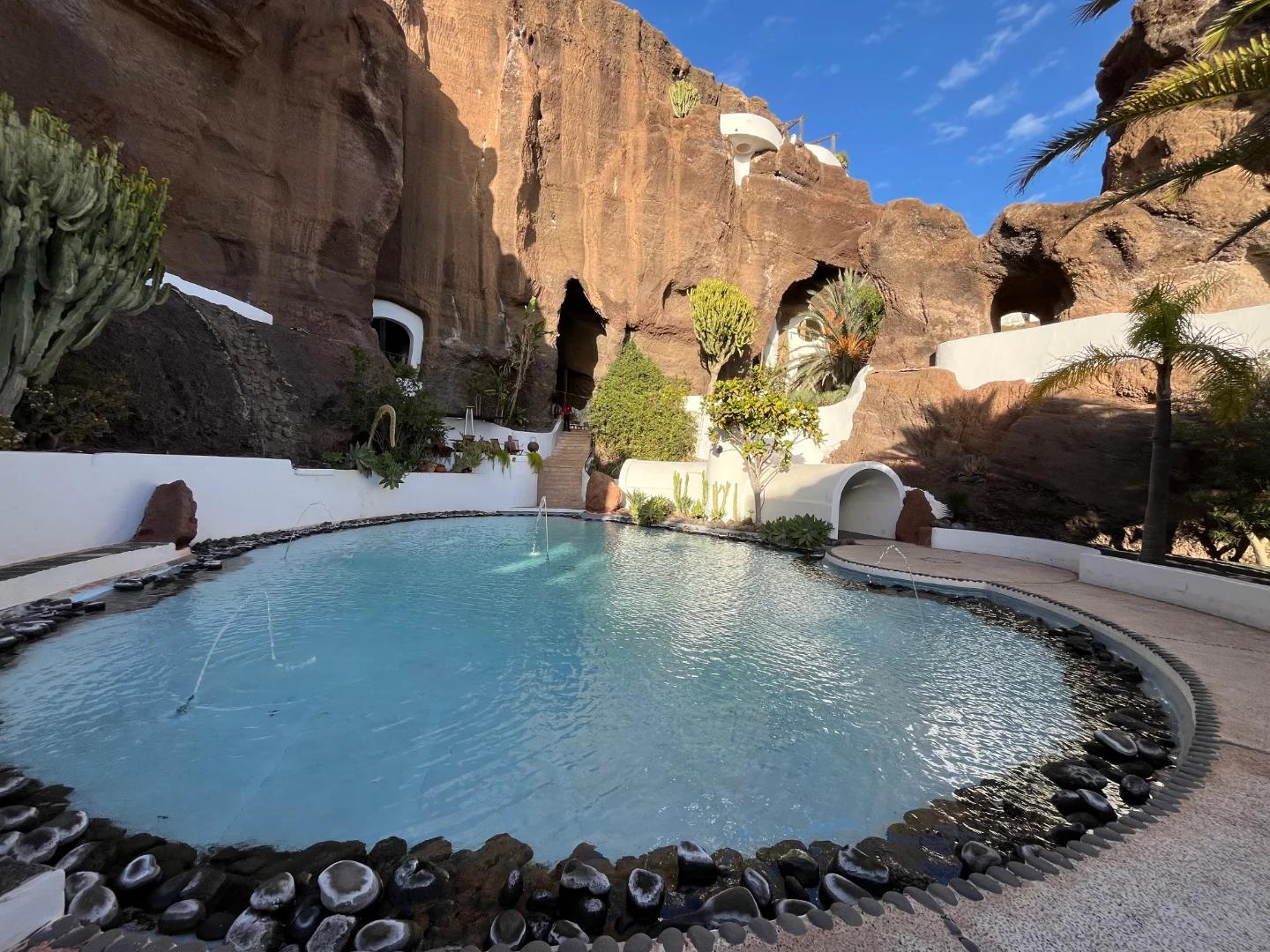
His method was radical for its time: let nature lead, and let art follow. In the Jameos del Agua, he transformed a collapsed volcanic tunnel into a dreamlike space of gardens, a white pool and an auditorium suspended inside a lava tube, home to tiny blind albino crabs found almost nowhere else. At the Mirador del Río, he hid a panoramic viewpoint inside the cliffs of Famara, so that the architecture disappears and only the view — the strait of El Río and the island of La Graciosa — remains. His own home in Tahíche was built inside five volcanic bubbles left by a lava flow; today it houses the César Manrique Foundation. His final great work, the Jardín de Cactus, turned an abandoned quarry into a spiral garden of more than a thousand cacti.

You will meet him even at the roundabouts: his juguetes del viento — wind toys — are playful metal sculptures that spin with the trade winds, a reminder that art here belongs to everyone, not to museums.

Just as important was what Manrique prevented. He campaigned tirelessly against high-rise development and visual pollution, helping to keep Lanzarote low, white and human in scale. When he died in 1992, the island he had imagined was already real — and in 1993 UNESCO recognised it as a Biosphere Reserve.

To travel through Lanzarote is to hold a conversation with Manrique. His answer is everywhere: nature first, always.

Discover Lanzarote with LMA

More stories

An Island Carved by NatureWhite, Green and Volcanic: The Architecture of LanzaroteAn Ocean of AdventuresLife Beneath the WavesA Thousand Years of StoriesThe Taste of a VolcanoA Beach for Every MoodWine Grown in AshThe Island That Chose RestraintThe People Who Made This IslandThe Fire MountainsCycling: the professionals' winter gymLichens and tabaibas: how life comes back after a volcanoTeguise beyond the market: six centuries in white and basaltThe wind that explains (almost) everythingHalf a volcano, a green lake and a roaring coastlineThe lava tunnel that runs into the seaCreatures from another world beneath your feetSweet endings: quesillo, bienmesabe and the little glass that followsSailing: navigating the sea of the trade windsTales of the Timanfaya devilA river of sand crosses the island (and it doesn't come from the Sahara)600 degrees beneath your shoesMalpaís, lajial, hornitos: learn to read the lavaFarming without rain: the peasant engineering that amazes the worldThe devil of Timanfaya and the Virgin who stopped the lavaThe cochineal: the insect that dyed half of Europe redIllustrious visitors: a palace gifted between kings and the house Omar Sharif lost at cardsTides: the ocean breathes twice a dayThe eternal spring: why it's never cold here — nor too hotBeyond tourism: what the island exportsAloe vera: the island's green pharmacyLa Graciosa: the eighth island, no tarmac and no hurryErmita de las Nieves: the top of the wall (and the island's oldest weather report)Ajaches: the grand old mountains hiding behind PapagayoWhen it rains (yes, it happens): the island's rarest spectacleWine from the ashes: La Geria and the miracle of malvasía volcánicaSpeak like a conejero: little words that open the islandTimple, isas and the Rancho de Teguise: the island's soundtrackWhat the names mean: reading the map's oldest languageEurope's biggest marine reserve is right next doorPlaya del Risco: the beach you have to earn (or the island's best-kept walk)The island's guardians: the projects that look after itReading the ocean: flags, currents and swimming like a localPlan B: the art of the "bad-weather" day (a user's manual)The suitcases to Havana: when conejeros crossed the seaBeyond La Graciosa: Alegranza, Montaña Clara and the wild end of the worldArrecife: the capital that grew out of a puddle (a love letter)The natural pools: Punta Mujeres, Los Charcones and the art of the charcoPapagayo done properly: the golden coves without the golden crowdsThe north loop: palms, cliffs and the island's greenest morningEat where the boats land: a fish-village crawlThe sunset circuit: five ways the island ends a dayThe Stratified City: the labyrinth the wind carved (and nobody visits)Where astronauts learn to walk on other worldsIllustrious islanders: Einstein's physicist, the voice of "El talismán" and the barber of HaríaWhite gold: the salt pans that fed half a fleetThe island the pirates wouldn't leave in peaceWho lives on the island (and who visits it)?The island's calendar: a whole year of fiestas and eventsWhat exactly is the calima?Puerto del Carmen: the little fishing village where it all began (and the parrots' corner)Fifteen million years: the veteran of the archipelagoThe blind crab: white, tiny and found nowhere else on EarthThe hanging garden of FamaraSan Borondón: the island that appears and disappearsSurviving without rain: the tricks of the coastal plantsSurfing: El Quemao, Famara and the wave the champions respect