LMA

Sailing: navigating the sea of the trade winds

Lanzarote · 3 min read

Sailing: navigating the sea of the trade winds

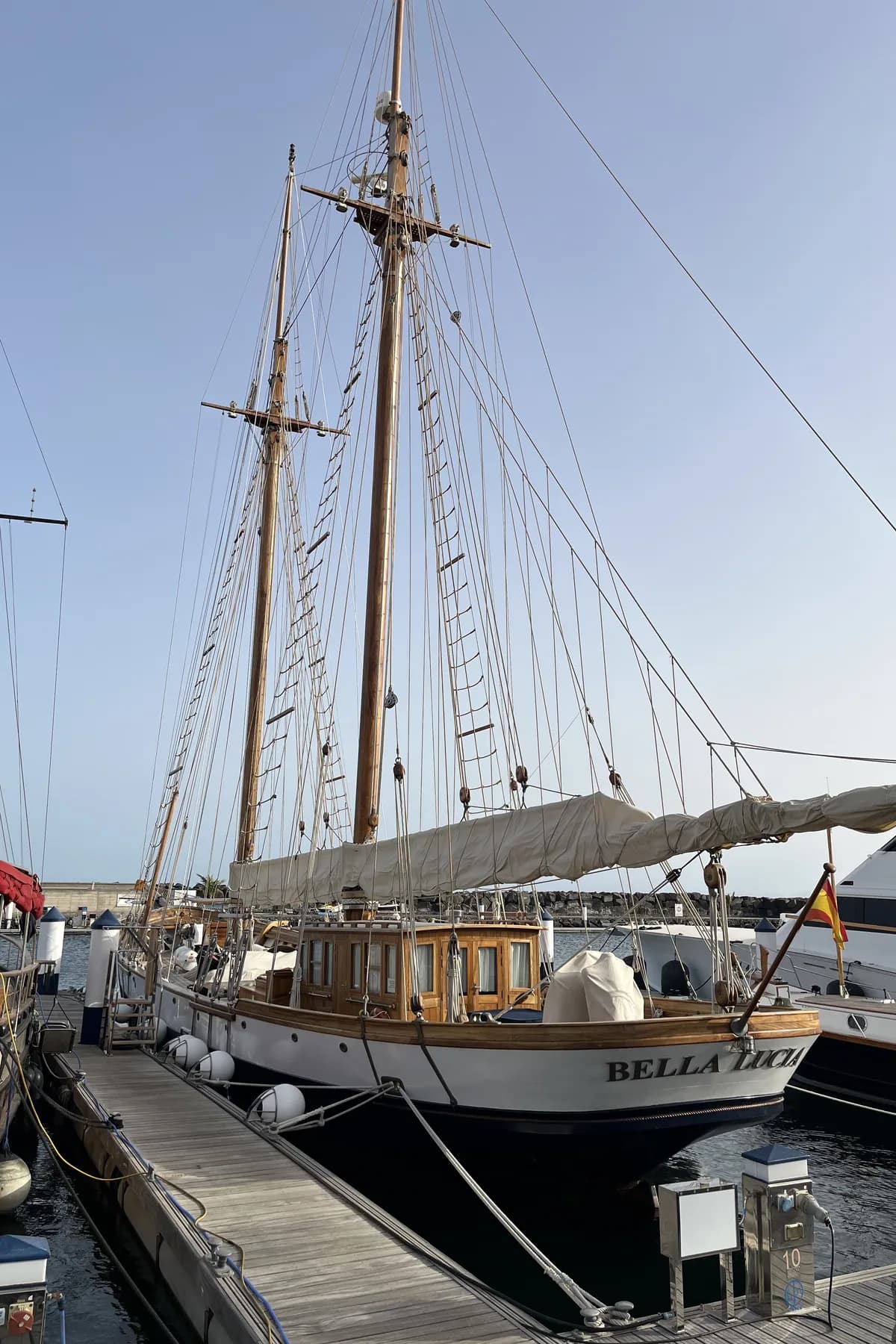
Lanzarote was discovered under sail — literally: legendary Phoenicians, medieval Genoese and Norman conquerors all arrived here that way — and six centuries later it remains a land of sails. Its waters are a perfect classroom: reliable trade winds (alisios), open sea free of treacherous reefs and first-class marinas in Arrecife and Playa Blanca. Every autumn, dozens of yachts under European flags call here before the great leap: crossing the Atlantic. The island's children learn in Optimists in the bay of Arrecife, visitors charter skippered catamarans for the perfect day out — Papagayo, anchor down, tuna on board — and the romantics keep scanning the horizon for the silhouette of an old sailing ship. Here, hoisting a sail is keeping an appointment with history.

There are islands where sailing is a sport; in Lanzarote it is the original language. Everything that reached this island over two thousand years arrived pushed by the wind: the ancient ships that traded with the Majos, the expedition of Lancelotto Malocello, the caravels of the conquest, the brigantines of the salt and cochineal trades. The alisio — that north-east wind as reliable as a clock — was for centuries the motorway in and out. Today engines rule transport, but the culture endures: few European waters offer such noble conditions for sailing all year round.

The current nautical map has three capitals. Marina Lanzarote, in Arrecife, is the urban port: an internationally rated boatyard and pontoons where, every autumn, yachts from half of Europe line up to prepare the adventure of their lives — the Atlantic crossing. The Canaries are the classic last stop before the leap to the Americas, the same logic as the navigators of five centuries ago, and on the docks you breathe that atmosphere of charts, provisioning lists and happy nerves. Marina Rubicón, in Playa Blanca, is the elegant one of the south: its own regattas, a sailing school and the most complete charter fleet. And Puerto Calero completes the trio with its sporting stamp. Around them, the yacht clubs — with the century-old Real Club Náutico de Arrecife as the dean — keep the grassroots alive: on Friday afternoons, the bay of Arrecife fills with tiny white sails, the island's boys and girls learning in Optimists what their great-great-grandparents knew by trade.

And the visitor? The sea is served in every format. The star plan is the sailing excursions to Papagayo: catamarans leaving Puerto del Carmen or Playa Blanca, anchoring in the turquoise coves and returning to port with people who are happier and slightly saltier. Those who can sail may charter a yacht with or without skipper and treat themselves to the dream route: the Timanfaya coast from the sea — the lava fields tumbling into the Atlantic — or the crossing to El Río to sleep at anchor off La Graciosa (with the park permits in order). And those who want to learn properly will find certified schools where you can gain qualifications with the best teacher there is: a constant alisio that never cancels class.

A note for the eye: from any cliff on the east coast, at sunset, you can watch the sails coming home with the wind astern. It is the same image — exactly the same — that the Majos, the pirates and the salt workers saw. Some postcards need no updating.

Discover Lanzarote with LMA

More stories

An Island Carved by NatureWhite, Green and Volcanic: The Architecture of LanzaroteCésar Manrique: The Artist Who Shaped an IslandAn Ocean of AdventuresLife Beneath the WavesA Thousand Years of StoriesThe Taste of a VolcanoA Beach for Every MoodWine Grown in AshThe Island That Chose RestraintThe People Who Made This IslandThe Fire MountainsMalpaís, lajial, hornitos: learn to read the lavaFarming without rain: the peasant engineering that amazes the worldThe devil of Timanfaya and the Virgin who stopped the lavaThe cochineal: the insect that dyed half of Europe redIllustrious visitors: a palace gifted between kings and the house Omar Sharif lost at cardsTides: the ocean breathes twice a dayThe eternal spring: why it's never cold here — nor too hotBeyond tourism: what the island exportsAloe vera: the island's green pharmacyLa Graciosa: the eighth island, no tarmac and no hurryErmita de las Nieves: the top of the wall (and the island's oldest weather report)Ajaches: the grand old mountains hiding behind PapagayoWhen it rains (yes, it happens): the island's rarest spectacleWine from the ashes: La Geria and the miracle of malvasía volcánicaSpeak like a conejero: little words that open the islandTimple, isas and the Rancho de Teguise: the island's soundtrackWhat the names mean: reading the map's oldest languageEurope's biggest marine reserve is right next doorPlaya del Risco: the beach you have to earn (or the island's best-kept walk)The island's guardians: the projects that look after itReading the ocean: flags, currents and swimming like a localPlan B: the art of the "bad-weather" day (a user's manual)The suitcases to Havana: when conejeros crossed the seaBeyond La Graciosa: Alegranza, Montaña Clara and the wild end of the worldArrecife: the capital that grew out of a puddle (a love letter)The natural pools: Punta Mujeres, Los Charcones and the art of the charcoPapagayo done properly: the golden coves without the golden crowdsThe north loop: palms, cliffs and the island's greenest morningEat where the boats land: a fish-village crawlThe sunset circuit: five ways the island ends a dayThe Stratified City: the labyrinth the wind carved (and nobody visits)Where astronauts learn to walk on other worldsIllustrious islanders: Einstein's physicist, the voice of "El talismán" and the barber of HaríaWhite gold: the salt pans that fed half a fleetThe island the pirates wouldn't leave in peaceWho lives on the island (and who visits it)?The island's calendar: a whole year of fiestas and eventsWhat exactly is the calima?Puerto del Carmen: the little fishing village where it all began (and the parrots' corner)Fifteen million years: the veteran of the archipelagoThe blind crab: white, tiny and found nowhere else on EarthThe hanging garden of FamaraSan Borondón: the island that appears and disappearsSurviving without rain: the tricks of the coastal plantsSurfing: El Quemao, Famara and the wave the champions respectCycling: the professionals' winter gymLichens and tabaibas: how life comes back after a volcanoTeguise beyond the market: six centuries in white and basaltThe wind that explains (almost) everythingHalf a volcano, a green lake and a roaring coastlineThe lava tunnel that runs into the seaCreatures from another world beneath your feetSweet endings: quesillo, bienmesabe and the little glass that followsTales of the Timanfaya devilA river of sand crosses the island (and it doesn't come from the Sahara)600 degrees beneath your shoes