LMA

A Beach for Every Mood

Lanzarote · 2 min read

A Beach for Every Mood
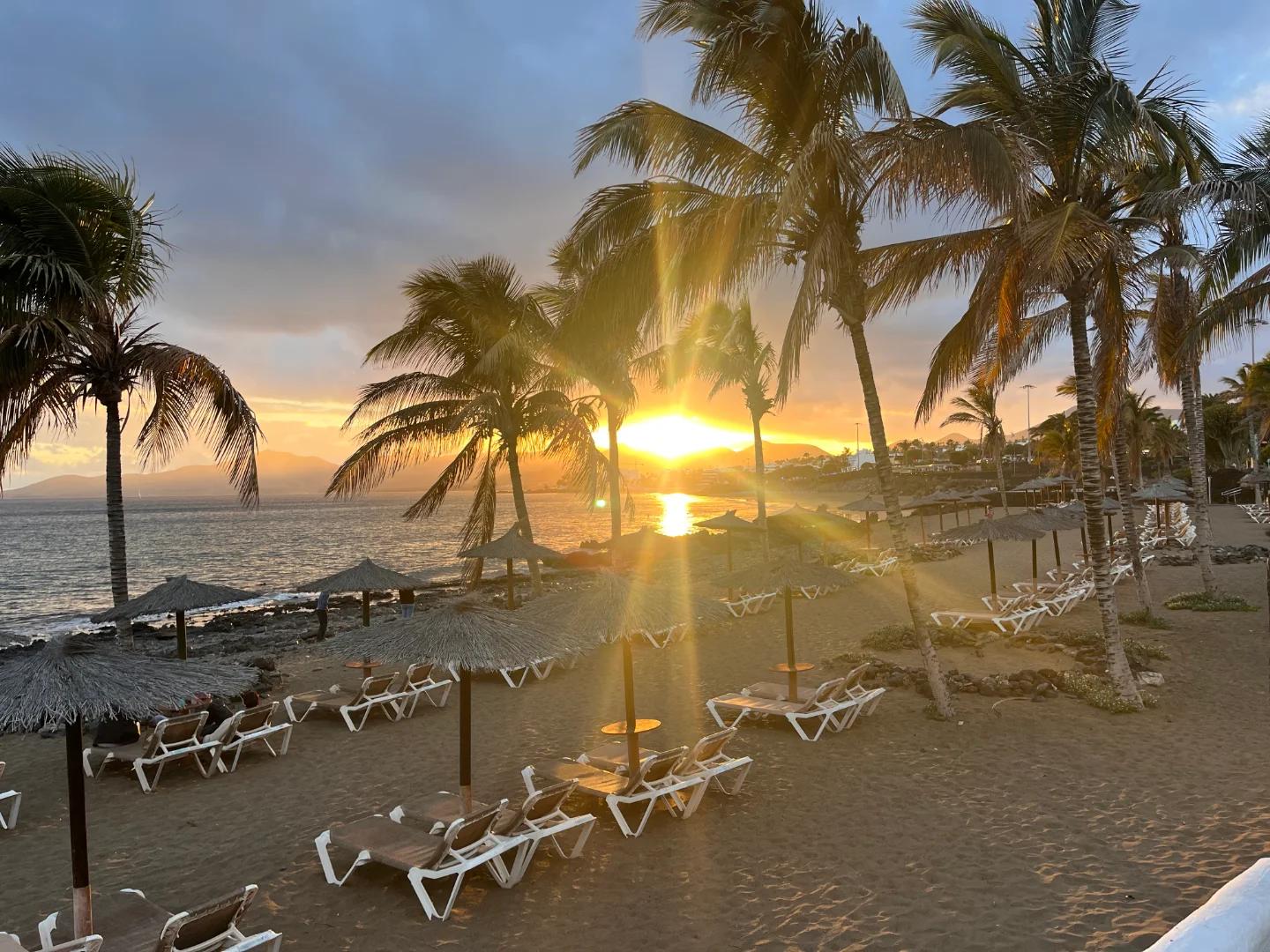
Foto: LastMinuteAdventure

Two hundred kilometres of coastline, and almost none of it alike. Lanzarote's beaches change character every few kilometres, because the same trade winds that make one bay a mirror turn the next one into an ocean. Choosing well is the difference between a perfect day and a windy one.

For calm, turquoise water, go south. The coves of Papagayo, at the island's southern tip inside a protected natural park, are reached by a dirt track and a small entrance fee per car: half-moons of golden sand between volcanic headlands, shallow and sheltered, ideal for swimming and snorkelling. Come early — there is no shade, and by midday the parking fills. Nearby, Playa Blanca's town beaches and Playa Dorada are gentler still, with services and calm water for families.

For drama, go north. Famara is a vast beach running for kilometres beneath cliffs that rise close to six hundred metres, and it is magnificent in any weather. It is also a serious beach: strong currents and shore break make it a place to surf with a school rather than to swim casually with children. The same wind that ruins a sunbathing day here makes it one of Europe's great learning grounds for surfing.

Some beaches are worth the detour for their strangeness. Caletón Blanco, in the north near Órzola, scatters white sand across black lava into a series of natural shallow pools — the warmest, safest water on the island for small children. Playa Quemada, on the south coast, is a pebbled fishing hamlet where nothing much happens, which is the point. El Golfo's green lagoon is one of the island's most photographed sights and one where you must not swim: it is protected, and the sea beside it is treacherous.

Three rules the island teaches quickly. Green flag means swim, yellow means care, red means the sea has already decided. There is almost no natural shade anywhere, so bring your own. And the Atlantic here is refreshing rather than warm — coolest in spring, at its friendliest in early autumn, when the water has had all summer to heat up.

Discover Lanzarote with LMA

More stories

An Island Carved by NatureWhite, Green and Volcanic: The Architecture of LanzaroteCésar Manrique: The Artist Who Shaped an IslandAn Ocean of AdventuresLife Beneath the WavesA Thousand Years of StoriesThe Taste of a VolcanoWine Grown in AshThe Island That Chose RestraintThe People Who Made This IslandThe Fire MountainsA river of sand crosses the island (and it doesn't come from the Sahara)600 degrees beneath your shoesMalpaís, lajial, hornitos: learn to read the lavaFarming without rain: the peasant engineering that amazes the worldThe devil of Timanfaya and the Virgin who stopped the lavaThe cochineal: the insect that dyed half of Europe redIllustrious visitors: a palace gifted between kings and the house Omar Sharif lost at cardsTides: the ocean breathes twice a dayThe eternal spring: why it's never cold here — nor too hotBeyond tourism: what the island exportsAloe vera: the island's green pharmacyLa Graciosa: the eighth island, no tarmac and no hurryErmita de las Nieves: the top of the wall (and the island's oldest weather report)Ajaches: the grand old mountains hiding behind PapagayoWhen it rains (yes, it happens): the island's rarest spectacleWine from the ashes: La Geria and the miracle of malvasía volcánicaSpeak like a conejero: little words that open the islandTimple, isas and the Rancho de Teguise: the island's soundtrackWhat the names mean: reading the map's oldest languageEurope's biggest marine reserve is right next doorPlaya del Risco: the beach you have to earn (or the island's best-kept walk)The island's guardians: the projects that look after itReading the ocean: flags, currents and swimming like a localPlan B: the art of the "bad-weather" day (a user's manual)The suitcases to Havana: when conejeros crossed the seaBeyond La Graciosa: Alegranza, Montaña Clara and the wild end of the worldArrecife: the capital that grew out of a puddle (a love letter)The natural pools: Punta Mujeres, Los Charcones and the art of the charcoPapagayo done properly: the golden coves without the golden crowdsThe north loop: palms, cliffs and the island's greenest morningEat where the boats land: a fish-village crawlThe sunset circuit: five ways the island ends a dayThe Stratified City: the labyrinth the wind carved (and nobody visits)Where astronauts learn to walk on other worldsIllustrious islanders: Einstein's physicist, the voice of "El talismán" and the barber of HaríaWhite gold: the salt pans that fed half a fleetThe island the pirates wouldn't leave in peaceWho lives on the island (and who visits it)?The island's calendar: a whole year of fiestas and eventsWhat exactly is the calima?Puerto del Carmen: the little fishing village where it all began (and the parrots' corner)Fifteen million years: the veteran of the archipelagoThe blind crab: white, tiny and found nowhere else on EarthThe hanging garden of FamaraSan Borondón: the island that appears and disappearsSurviving without rain: the tricks of the coastal plantsSurfing: El Quemao, Famara and the wave the champions respectCycling: the professionals' winter gymLichens and tabaibas: how life comes back after a volcanoTeguise beyond the market: six centuries in white and basaltThe wind that explains (almost) everythingHalf a volcano, a green lake and a roaring coastlineThe lava tunnel that runs into the seaCreatures from another world beneath your feetSweet endings: quesillo, bienmesabe and the little glass that followsSailing: navigating the sea of the trade windsTales of the Timanfaya devil