
 Welcome
Your adventure navigator
A free travel companion for the destination you are in. Here is how it works:
Swipe the destination
One card per screen — places worth going to and local stories. Swipe up for the next one, sideways to read more.
Collect your stamps
Visit a place, add a photo — that is a stamp in your Pass. No GPS, no deadline, at your own pace.
Walk the route you actually built
Save favorites from the feed, drop them on today's route and open it straight in Google Maps.
Free to start
Sign up in seconds to save favorites and start your collection.
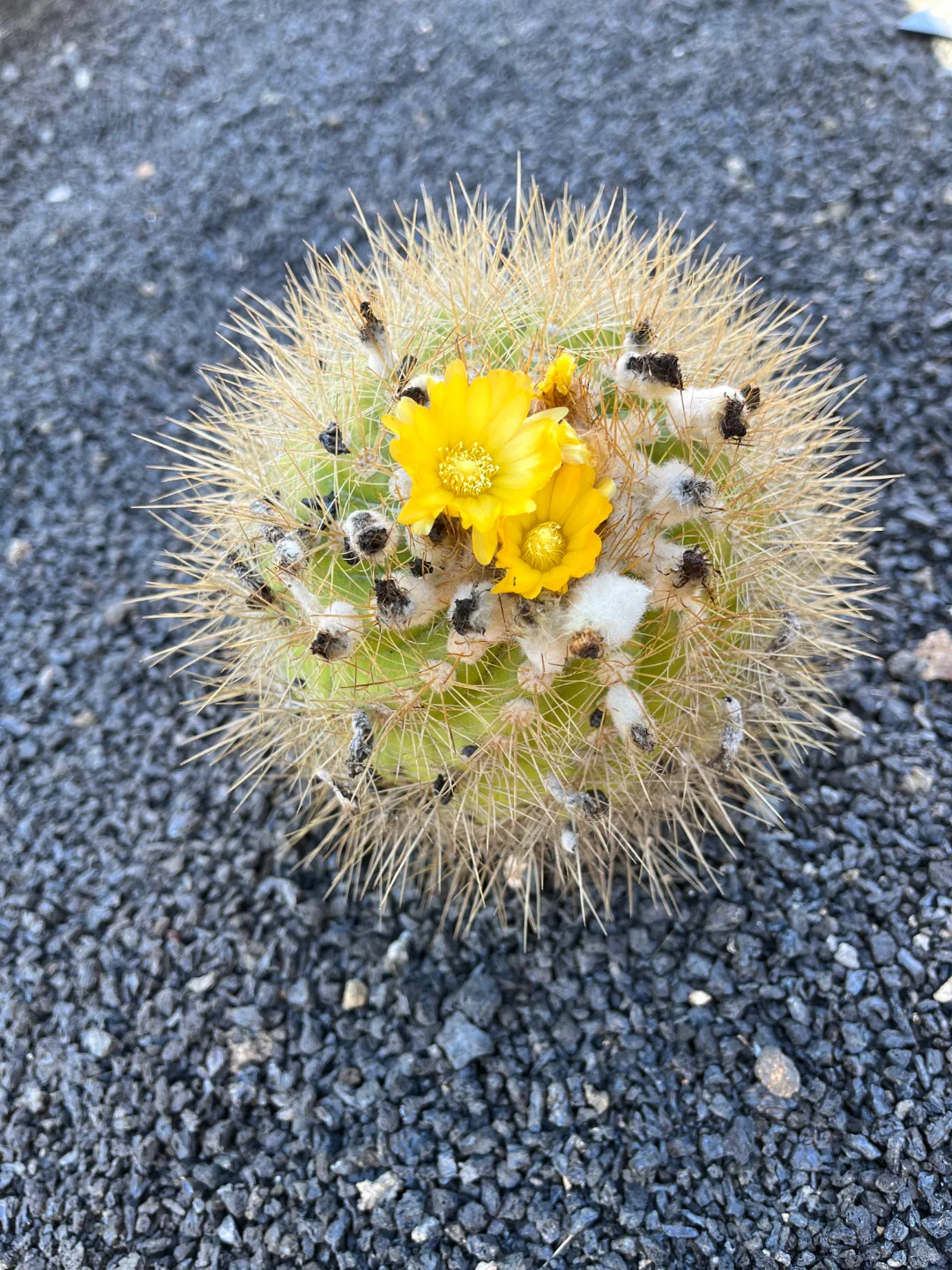
An Island Carved by Nature
Lanzarote is what happens when nature is given fire, wind and time — and almost nothing else. With barely any rain and not a single permanent river, the island has turned scarcity into its greatest spectacle. In 1993, UNESCO declared the entire island a Biosphere Reserve, recognising something visitors feel within minutes of arriving: here, people learned to live with the land instead of against it.
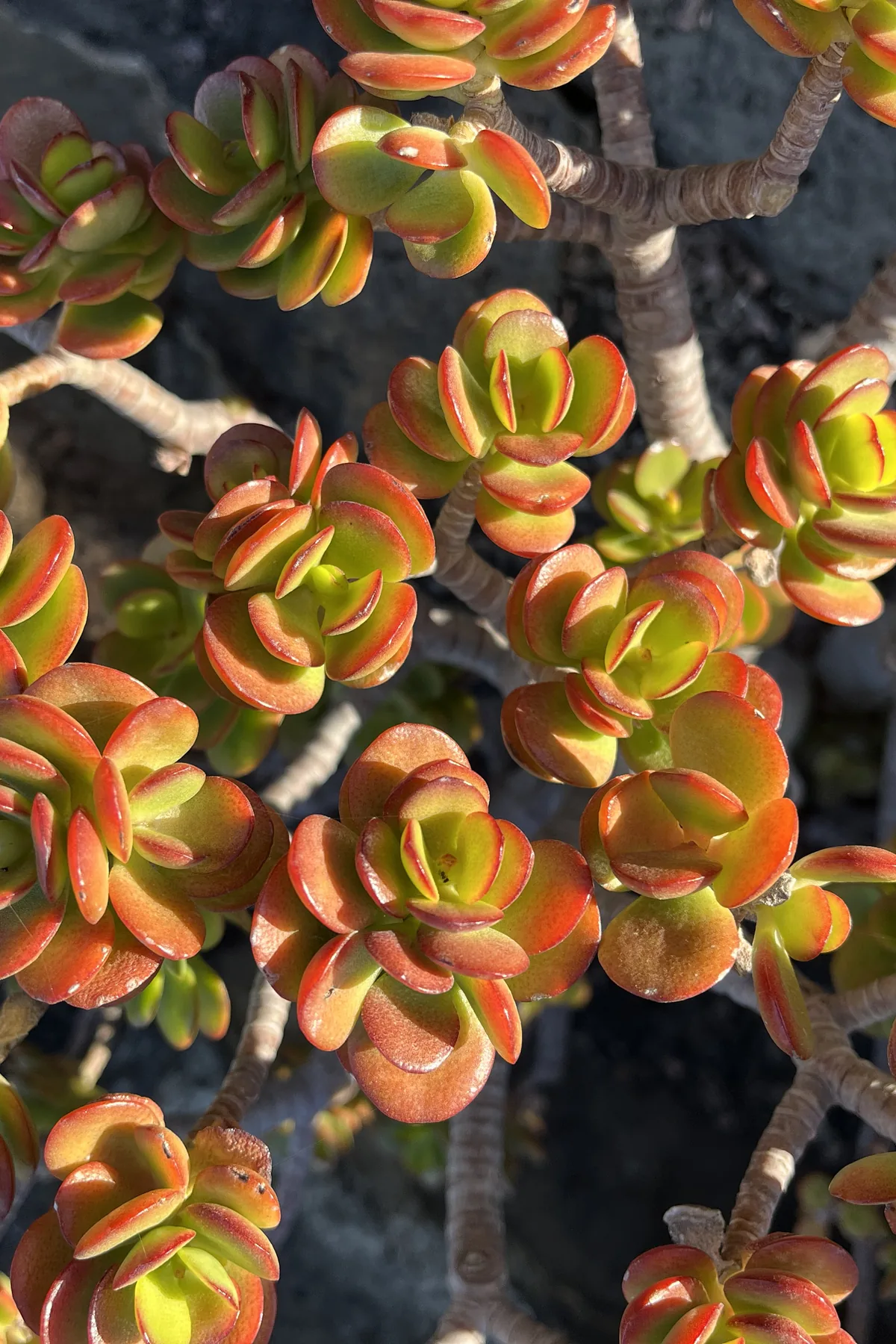
Surviving without rain: the tricks of the coastal plants
On Lanzarote's front line of coast, nothing should be able to live: salt, wind, African sun and months without a drop of rain. And yet there they are — the uvilla de mar (sea grape) with its leaves like tiny water-filled grapes, the silvery salados (saltbushes), the balancón that builds dunes, the lechuga de mar (sea lettuce) the shepherds used to eat. Each one is a survival manual: leaves turned into tanks, roots metres long, waxy skins, glands that spit out the salt. They drink from the dew, from the fog and from the moisture of the sea itself. They are the island's natural bonsai: small, tough and perfect. And they are what holds down the sand you're walking on.
Surviving without rain: the tricks of the coastal plants
On Lanzarote's front line of coast, nothing should be able to live: salt, wind, African sun and months without a drop of rain. And yet there they are — the uvilla de mar (sea grape) with its leaves like tiny water-filled grapes, the silvery salados (saltbushes), the balancón that builds dunes, the lechuga de mar (sea lettuce) the shepherds used to eat. Each one is a survival manual: leaves turned into tanks, roots metres long, waxy skins, glands that spit out the salt. They drink from the dew, from the fog and from the moisture of the sea itself. They are the island's natural bonsai: small, tough and perfect. And they are what holds down the sand you're walking on.
La Graciosa & Órzola
No photos, no spoilers — go and discover it for yourself.
6 places
Swipe to see them
La Graciosa & Órzola · 1/6
Playa de las Conchas (La Graciosa)
Untouched sand facing the islet of Montaña Clara.
La Graciosa & Órzola · 2/6
Caleta de Sebo (La Graciosa)
Sand streets, no asphalt: island life at its slowest.
La Graciosa & Órzola · 3/6
Mirador del Río
La Graciosa laid out below you from the cliff top.
La Graciosa & Órzola · 4/6
Caletón Blanco
White sand and turquoise pools between black lava.
La Graciosa & Órzola · 5/6
Órzola — porto
Fresh fish by the quay where the ferries leave for La Graciosa.
La Graciosa & Órzola · 6/6
Playa de la Cantería
Wild Atlantic waves beneath the island's northern cliffs.
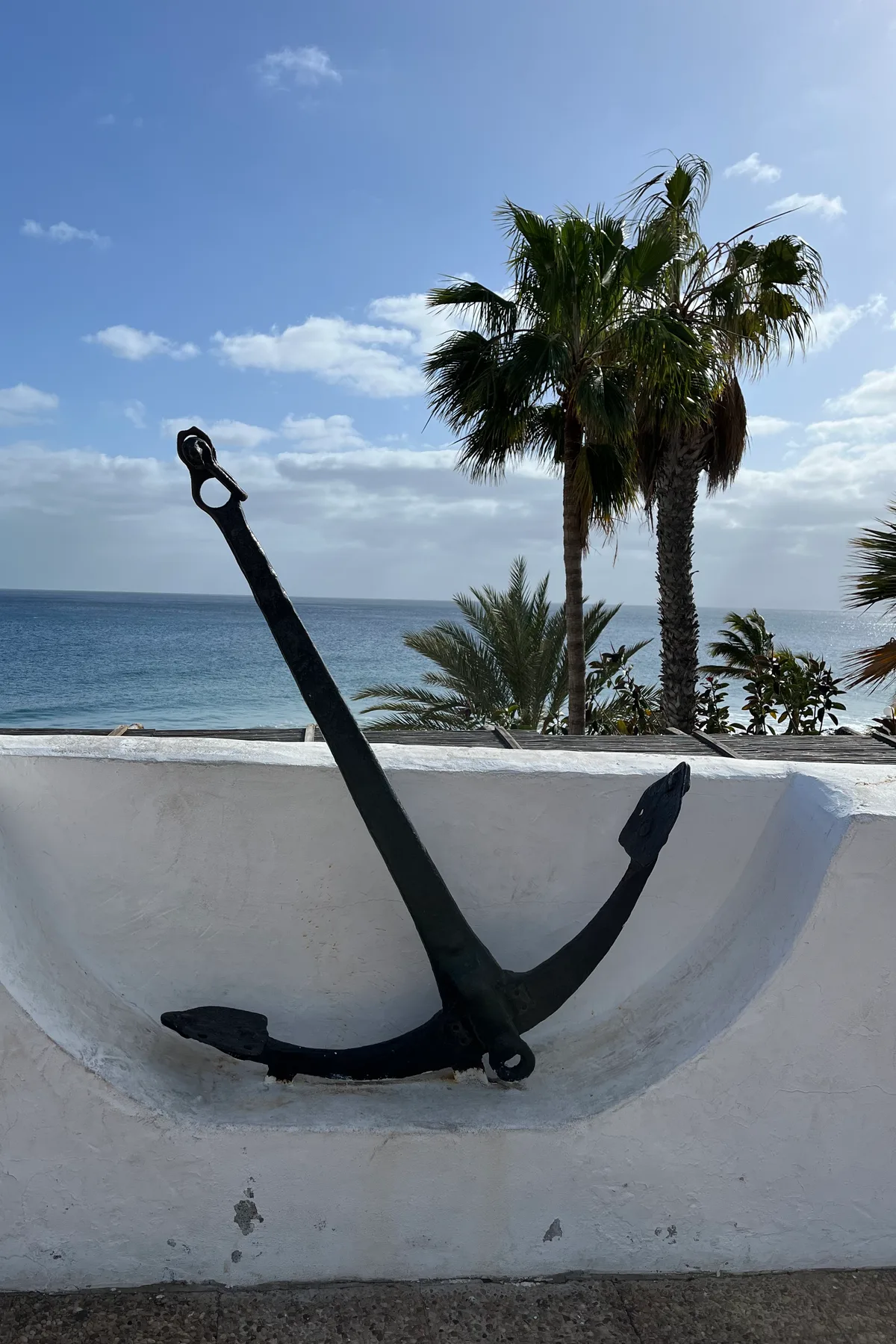
The suitcases to Havana: when conejeros crossed the sea
For a century and a half, Lanzarote's biggest export was its children. Drought years, volcano-poisoned harvests and hungry decades pushed wave after wave of conejeros onto ships bound west: to Cuba above all — where "isleño" simply means Canarian — to Uruguay and Argentina, and in the desperate 1940s-50s to Venezuela, sometimes in overloaded sailboats that crossed the Atlantic clandestinely. Whole villages had more sons in Havana than at home. Many returned — the "indianos", with linen suits, savings and Cuban rhythms that seeped into island music — and many never did, which is why half the island has cousins in Caracas and why Canarian and Caribbean Spanish are practically siblings. The island you're enjoying was, for generations, an island people had to leave. Worth remembering between beaches.
The suitcases to Havana: when conejeros crossed the sea
For a century and a half, Lanzarote's biggest export was its children. Drought years, volcano-poisoned harvests and hungry decades pushed wave after wave of conejeros onto ships bound west: to Cuba above all — where "isleño" simply means Canarian — to Uruguay and Argentina, and in the desperate 1940s-50s to Venezuela, sometimes in overloaded sailboats that crossed the Atlantic clandestinely. Whole villages had more sons in Havana than at home. Many returned — the "indianos", with linen suits, savings and Cuban rhythms that seeped into island music — and many never did, which is why half the island has cousins in Caracas and why Canarian and Caribbean Spanish are practically siblings. The island you're enjoying was, for generations, an island people had to leave. Worth remembering between beaches.
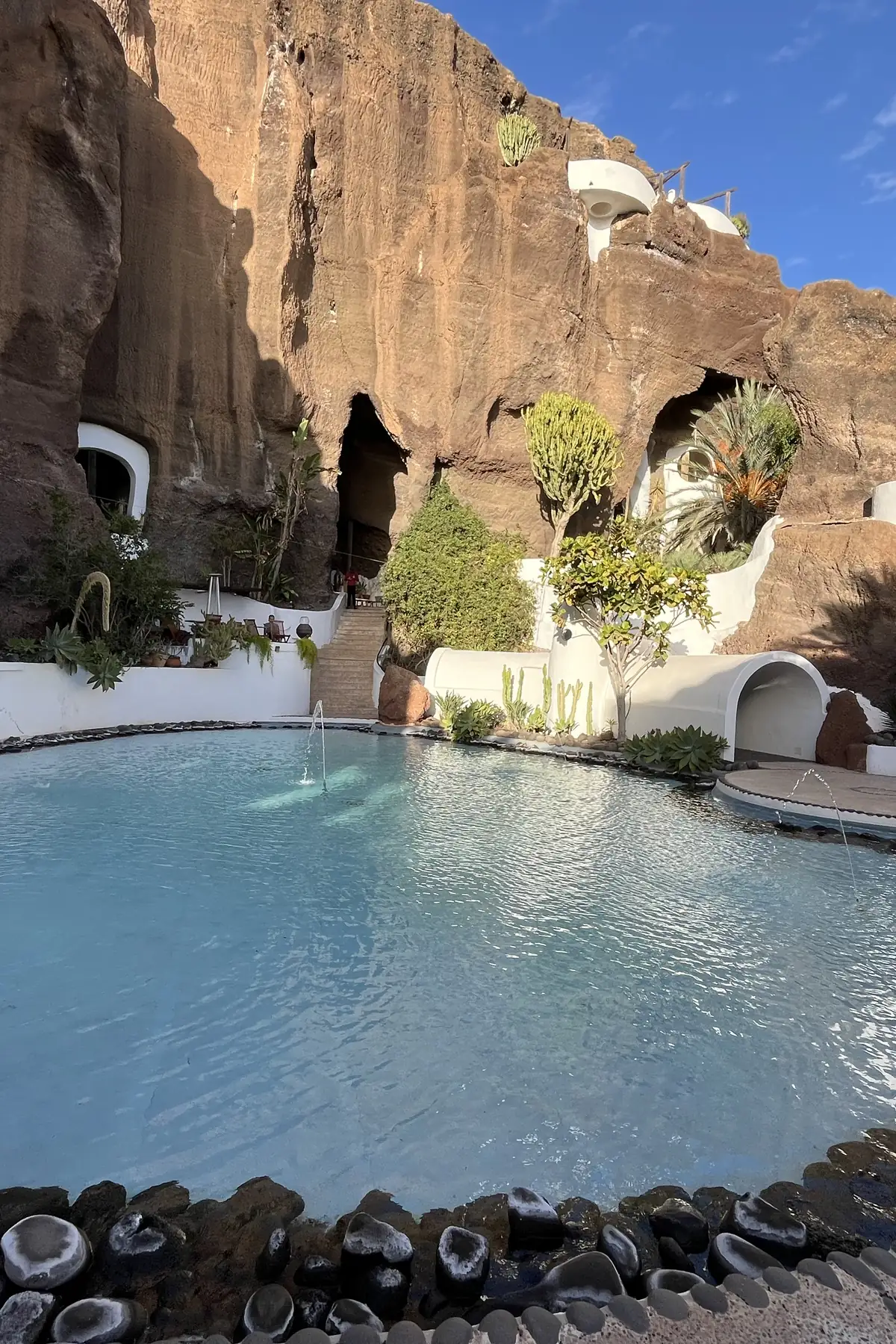
Museums of Lanzarote
From Manrique's house to a museum under the sea. The essentials, with a link to each official page.
22 museums
Swipe to see them
Museums of Lanzarote · 1/22
A Casa José Saramago
Home of the Nobel laureate in Literature (A Vigia)
Tías
solo con reserva
Museums of Lanzarote · 2/22
Casa Ajei
Culture and crafts house, exhibitions and events
San Bartolomé
habitualmente gratis
Museums of Lanzarote · 3/22
Casa Museo César Manrique
The artist's last home
Haría
consultar · combinado con la Fundación 15 €
Museums of Lanzarote · 4/22
Casa Museo del Campesino
Rural ethnographic museum and Monument to Fertility
Mozaga (San Bartolomé)
gratis
Museums of Lanzarote · 5/22
Casa-Museo del Timple
The Canarian timple (Spínola Palace)
Teguise
consultar
Museums of Lanzarote · 6/22
Centro de Visitantes de Mancha Blanca
Volcanology and the 1730-36 eruption, gateway to Timanfaya
Mancha Blanca (Tinajo)
gratis
Museums of Lanzarote · 8/22
Fundación César Manrique
The artist's house-studio (Taro de Tahíche)
Tahíche (Teguise)
8 € · combinado con Casa-Museo Haría 15 €
Museums of Lanzarote · 9/22
Jameos del Agua
Volcanic cave with auditorium and lake (César Manrique)
Haría
desde 17 €
Museums of Lanzarote · 10/22
Jardín de Cactus
Cactus garden, Manrique's last work
Guatiza (Teguise)
9 €
Museums of Lanzarote · 11/22
La Casa Amarilla
Former Cabildo seat, exhibitions on Lanzarote's memory
Arrecife
consultar
Museums of Lanzarote · 12/22
MIAC — Castillo de San José
International Museum of Contemporary Art
Arrecife
5,40 €
Museums of Lanzarote · 13/22
Mirador del Río
Lookout-artwork over El Río (Manrique)
Haría
9 €
Museums of Lanzarote · 14/22
Montañas del Fuego — Timanfaya
Volcanic national park
Tinajo / Yaiza
30 €
Museums of Lanzarote · 15/22
Museo Aeronáutico
History of Canarian aviation (old terminal)
Aeropuerto (San Bartolomé)
consultar
Museums of Lanzarote · 16/22
Museo Agrícola El Patio
Agricultural and ethnographic museum
Tiagua (Teguise)
consultar
Museums of Lanzarote · 17/22
Museo Atlántico
Underwater sculpture museum (diving)
Playa Blanca (Yaiza)
desde 48 € (buceador certificado) · 149 € (bautismo)
Museums of Lanzarote · 18/22
Museo de Historia de Arrecife
Archaeology and island history (San Gabriel Castle)
Arrecife
habitualmente gratis
Museums of Lanzarote · 19/22
Museo de la Piratería
Pirate history (Santa Bárbara Castle)
Teguise
consultar
Museums of Lanzarote · 20/22
Museo del Vino El Grifo
Wine museum, the oldest winery in the Canaries
La Geria (San Bartolomé)
museo gratis · visita guiada con cata 50 €
Museums of Lanzarote · 21/22
Museo Etnográfico Tanit
Ethnography and traditions of Lanzarote
San Bartolomé
consultar
Museums of Lanzarote · 22/22
Museo LagOmar
House-museum (Omar Sharif's residence) and art
Nazaret (Teguise)
10 € adultos · 8 € niños hasta 12
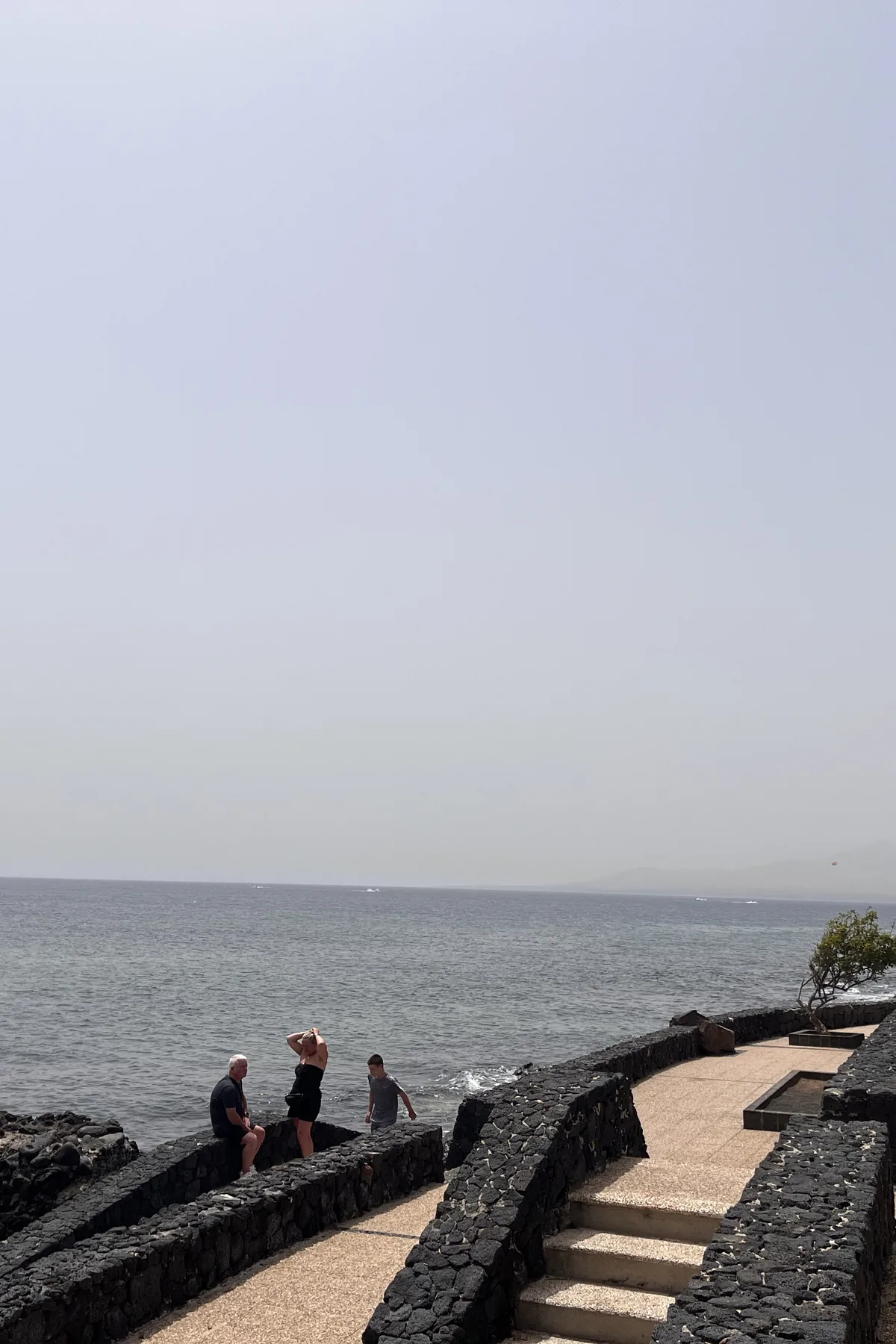
Puerto del Carmen: the little fishing village where it all began (and the parrots' corner)
Before the ten kilometres of beaches and promenades, Puerto del Carmen was La Tiñosa: a handful of fishermen's houses around a boatyard. This is where island tourism docked — with the first hotels of the sixties — and this is where its double heart still beats: the Avenida de las Playas, with its endless energy, and the old quarter of the harbour, where the boats still go out and the fresh fish travels from quay to table. Among its beloved corners is the famous parrots' corner [CONFIRMAR VE: localización e historia exacta], where generations of visitors have posed with the parrots as a tropical keepsake of the trip. From the boatyard to sunset with an ice cream: Puerto del Carmen is the biography of the island's tourism in walkable form.
Puerto del Carmen: the little fishing village where it all began (and the parrots' corner)
Before the ten kilometres of beaches and promenades, Puerto del Carmen was La Tiñosa: a handful of fishermen's houses around a boatyard. This is where island tourism docked — with the first hotels of the sixties — and this is where its double heart still beats: the Avenida de las Playas, with its endless energy, and the old quarter of the harbour, where the boats still go out and the fresh fish travels from quay to table. Among its beloved corners is the famous parrots' corner [CONFIRMAR VE: localización e historia exacta], where generations of visitors have posed with the parrots as a tropical keepsake of the trip. From the boatyard to sunset with an ice cream: Puerto del Carmen is the biography of the island's tourism in walkable form.
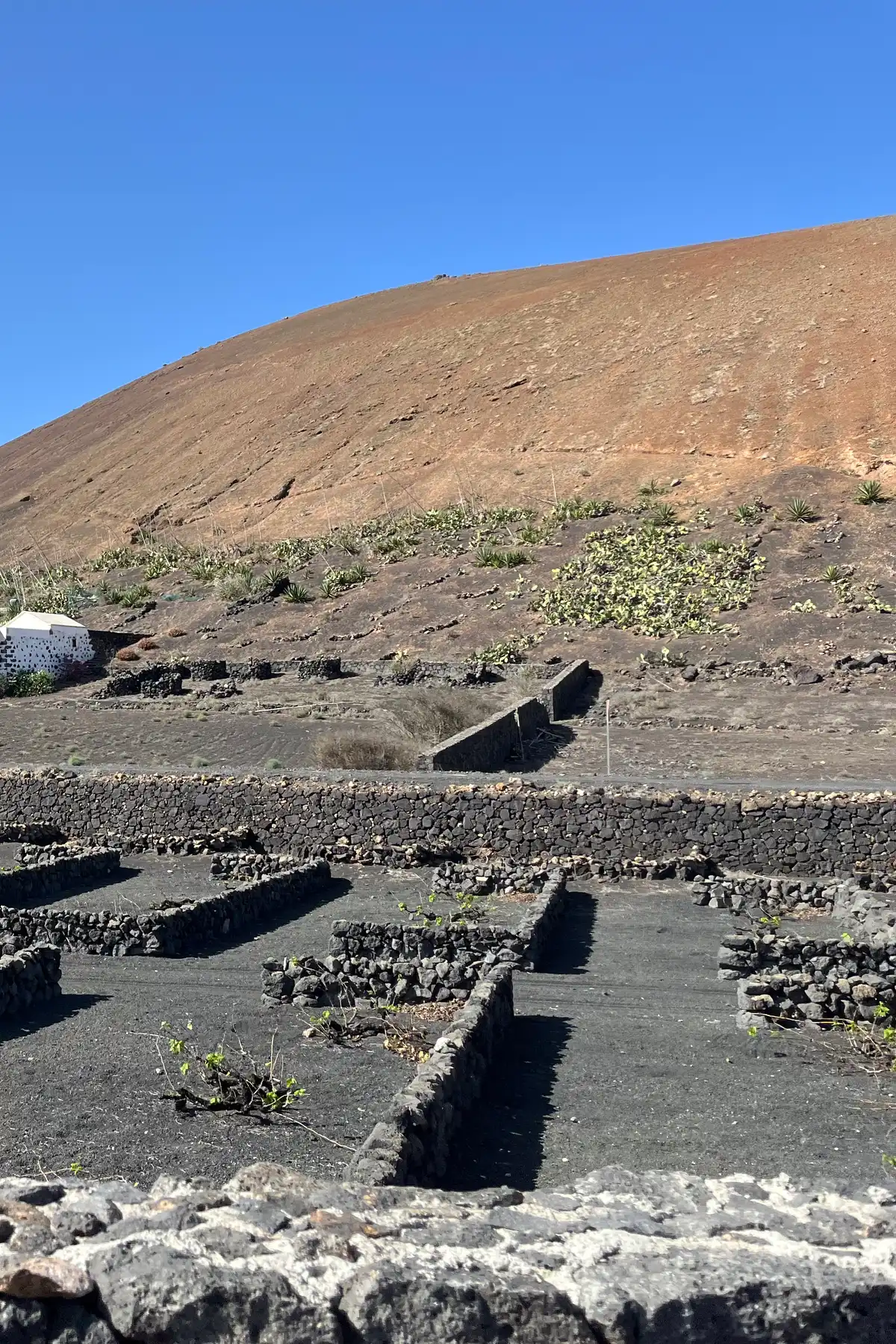
Wine from the ashes: La Geria and the miracle of malvasía volcánica
After the great eruptions buried their fields, Lanzarote's farmers did something between genius and defiance: they dug through the ash and planted vines in the ground beneath. The result is La Geria — thousands of funnel-shaped hollows in black picón, each sheltering one vine behind a low stone crescent, a landscape so improbable it looks designed. It works because the ash is a sponge: it drinks the night's humidity and feeds it to the roots, no irrigation needed. From this moonscape comes malvasía volcánica — crisp, saline, mineral whites that win international medals — harvested from July, among the earliest in Europe, and made in bodegas that include the oldest winery in the Canaries, pouring since 1775. Toured, tasted and best at sunset, when the black hollows fill with gold.
Wine from the ashes: La Geria and the miracle of malvasía volcánica
After the great eruptions buried their fields, Lanzarote's farmers did something between genius and defiance: they dug through the ash and planted vines in the ground beneath. The result is La Geria — thousands of funnel-shaped hollows in black picón, each sheltering one vine behind a low stone crescent, a landscape so improbable it looks designed. It works because the ash is a sponge: it drinks the night's humidity and feeds it to the roots, no irrigation needed. From this moonscape comes malvasía volcánica — crisp, saline, mineral whites that win international medals — harvested from July, among the earliest in Europe, and made in bodegas that include the oldest winery in the Canaries, pouring since 1775. Toured, tasted and best at sunset, when the black hollows fill with gold.
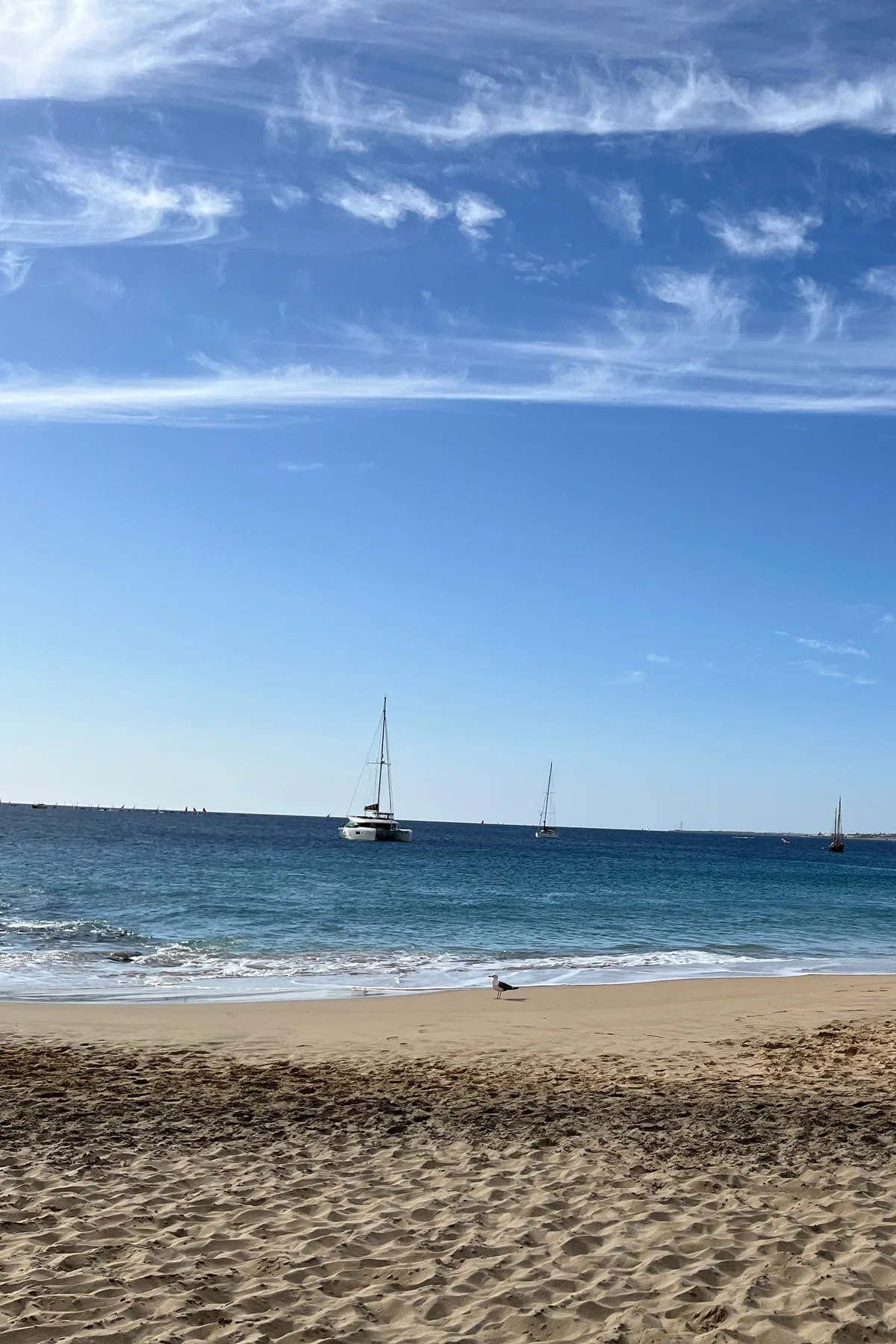
The eternal spring: why it's never cold here — nor too hot
January: 21 degrees. August: 28. Lanzarote's statistics look like they were invented by the tourist board, but they are pure geography. The island floats in the middle of the Canary Current — a cool ocean river flowing down from the north — and beneath the trade winds (los alisios), which ventilate without rest. The result is one of the mildest and most stable climates on the planet: some three thousand hours of sunshine a year, rain on only a few days, a sea that never drops below 18 degrees and no winter worthy of the name. Here you don't ask "what will the weather be like?" but "how much sun do you want today?". One serious warning: that sun, with the breeze covering for it, genuinely burns. Sun cream always — a local friend's word.
The eternal spring: why it's never cold here — nor too hot
January: 21 degrees. August: 28. Lanzarote's statistics look like they were invented by the tourist board, but they are pure geography. The island floats in the middle of the Canary Current — a cool ocean river flowing down from the north — and beneath the trade winds (los alisios), which ventilate without rest. The result is one of the mildest and most stable climates on the planet: some three thousand hours of sunshine a year, rain on only a few days, a sea that never drops below 18 degrees and no winter worthy of the name. Here you don't ask "what will the weather be like?" but "how much sun do you want today?". One serious warning: that sun, with the breeze covering for it, genuinely burns. Sun cream always — a local friend's word.
Timanfaya
No photos, no spoilers — go and discover it for yourself.
4 places
Swipe to see them
Timanfaya · 1/4
Caldera Blanca
Cross an old lava field to a vast pale crater.
Timanfaya · 2/4
Parque Nacional de Timanfaya — Islote de Hilario
The ground here is hot enough to grill food.
Timanfaya · 3/4
Montaña Colorada
A rust-red cone with a huge volcanic bomb at its foot.
Timanfaya · 4/4
Volcán del Cuervo
Walk right into the crater of a volcano from 1730.
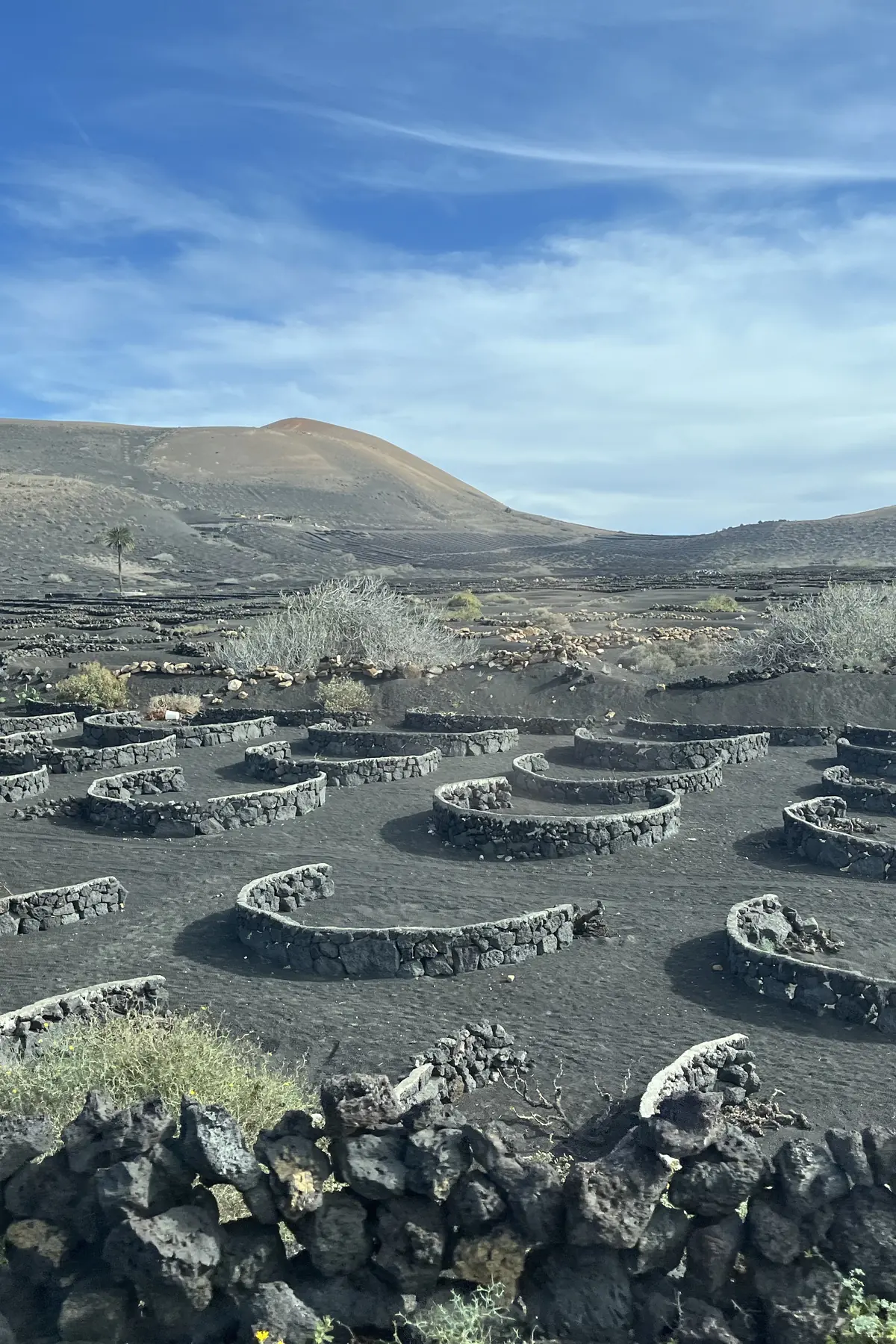
Farming without rain: the peasant engineering that amazes the world
It rains less here than on some edges of the Sahara — and yet the island produces wine, sweet potatoes, lentils, onions and pumpkins. The secret is a peasant technology unique in the world, invented after the eruptions: the enarenados (cinder-mulched fields). The farmers discovered that a layer of volcanic ash works as a sponge for the night dew and a lock on the soil's moisture — and where the volcano hadn't laid it down, they carried it themselves, on camel-back, field by field. Add the zocos (stone windbreaks) — semicircular little stone walls that stop the wind —, the hollows of La Geria and the chains of terraces, and you have a farming landscape so singular that it is studied in universities across half the world. Heroic agriculture, they call it. With good reason.
Farming without rain: the peasant engineering that amazes the world
It rains less here than on some edges of the Sahara — and yet the island produces wine, sweet potatoes, lentils, onions and pumpkins. The secret is a peasant technology unique in the world, invented after the eruptions: the enarenados (cinder-mulched fields). The farmers discovered that a layer of volcanic ash works as a sponge for the night dew and a lock on the soil's moisture — and where the volcano hadn't laid it down, they carried it themselves, on camel-back, field by field. Add the zocos (stone windbreaks) — semicircular little stone walls that stop the wind —, the hollows of La Geria and the chains of terraces, and you have a farming landscape so singular that it is studied in universities across half the world. Heroic agriculture, they call it. With good reason.
Exhibitions right now
What is on show on the island these weeks. Dates, venue and the official page.
3 exhibitions
Swipe to see them
Exhibitions right now · 1/3
until Jan 16
Germán Páez — Wild Palms
Exposición
El Almacén
Libre y gratuita
Exhibitions right now · 2/3
until Jan 16
Jesús Madriñán — Lanzarote
Exposición
El Almacén
Libre y gratuita
Exhibitions right now · 3/3
until Jan 16
María Rosa Aránega — Atlas Lanzarote
Exposición
El Almacén
Libre y gratuita
When it rains (yes, it happens): the island's rarest spectacle
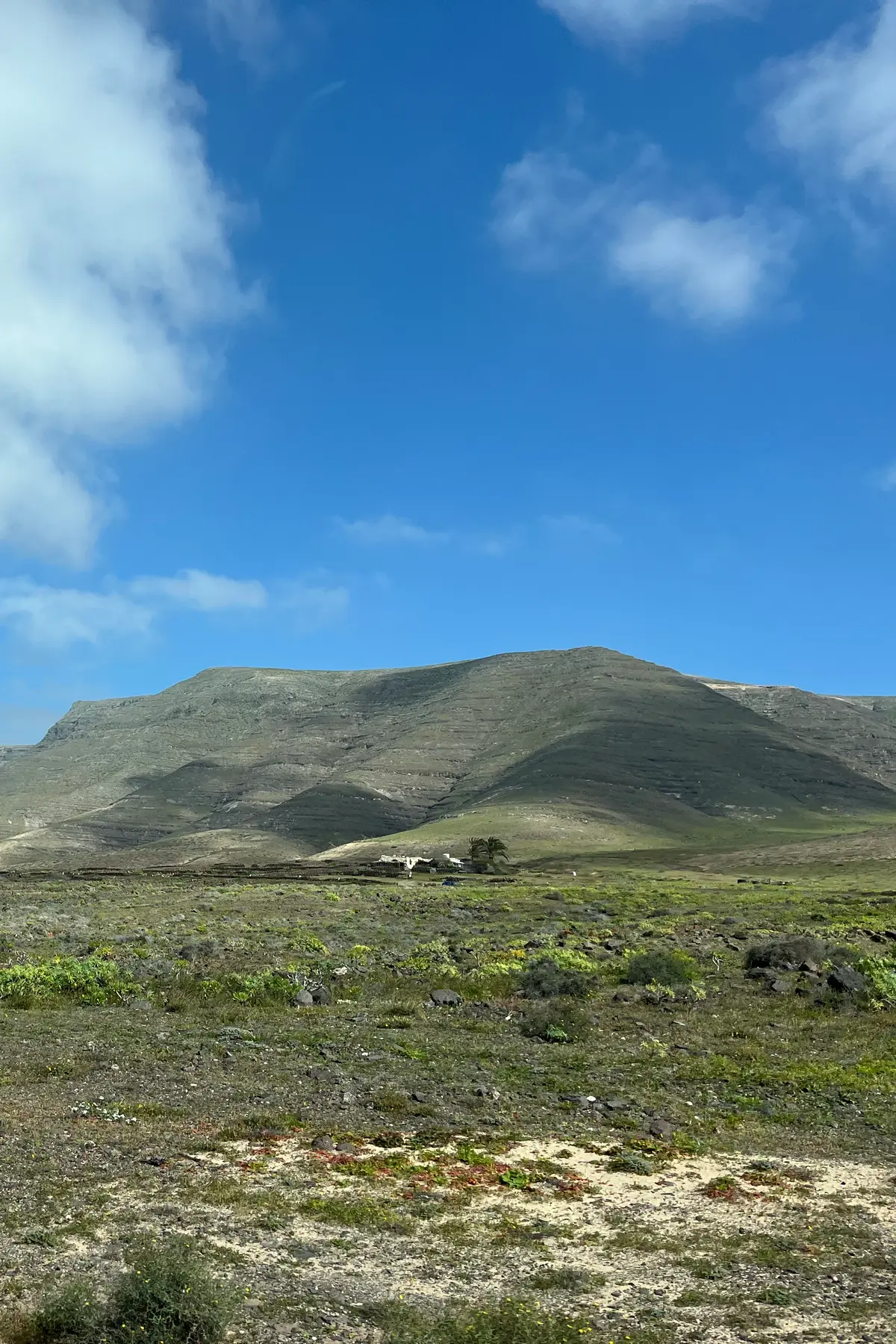
A handful of days each winter, the impossible occurs: real rain on Lanzarote. Don't sulk — celebrate. Rain here is an event with its own rituals: locals stand in doorways watching it like fireworks; the barrancos briefly remember they're rivers; waterfalls appear on the Famara cliff for a few glorious hours; and within a fortnight the island performs its greatest magic trick — a green flush over the volcanic plains, poppies and wild mustard in the ash fields, La Geria's vines glowing against black picón. February after a wet January is the island's secret best month. So if clouds burst on your holiday: drive north, watch the cliff run silver, then come back in ten days if you can. You'll have seen something many repeat visitors never have.
When it rains (yes, it happens): the island's rarest spectacle
A handful of days each winter, the impossible occurs: real rain on Lanzarote. Don't sulk — celebrate. Rain here is an event with its own rituals: locals stand in doorways watching it like fireworks; the barrancos briefly remember they're rivers; waterfalls appear on the Famara cliff for a few glorious hours; and within a fortnight the island performs its greatest magic trick — a green flush over the volcanic plains, poppies and wild mustard in the ash fields, La Geria's vines glowing against black picón. February after a wet January is the island's secret best month. So if clouds burst on your holiday: drive north, watch the cliff run silver, then come back in ten days if you can. You'll have seen something many repeat visitors never have.
Creatures from another world beneath your feet
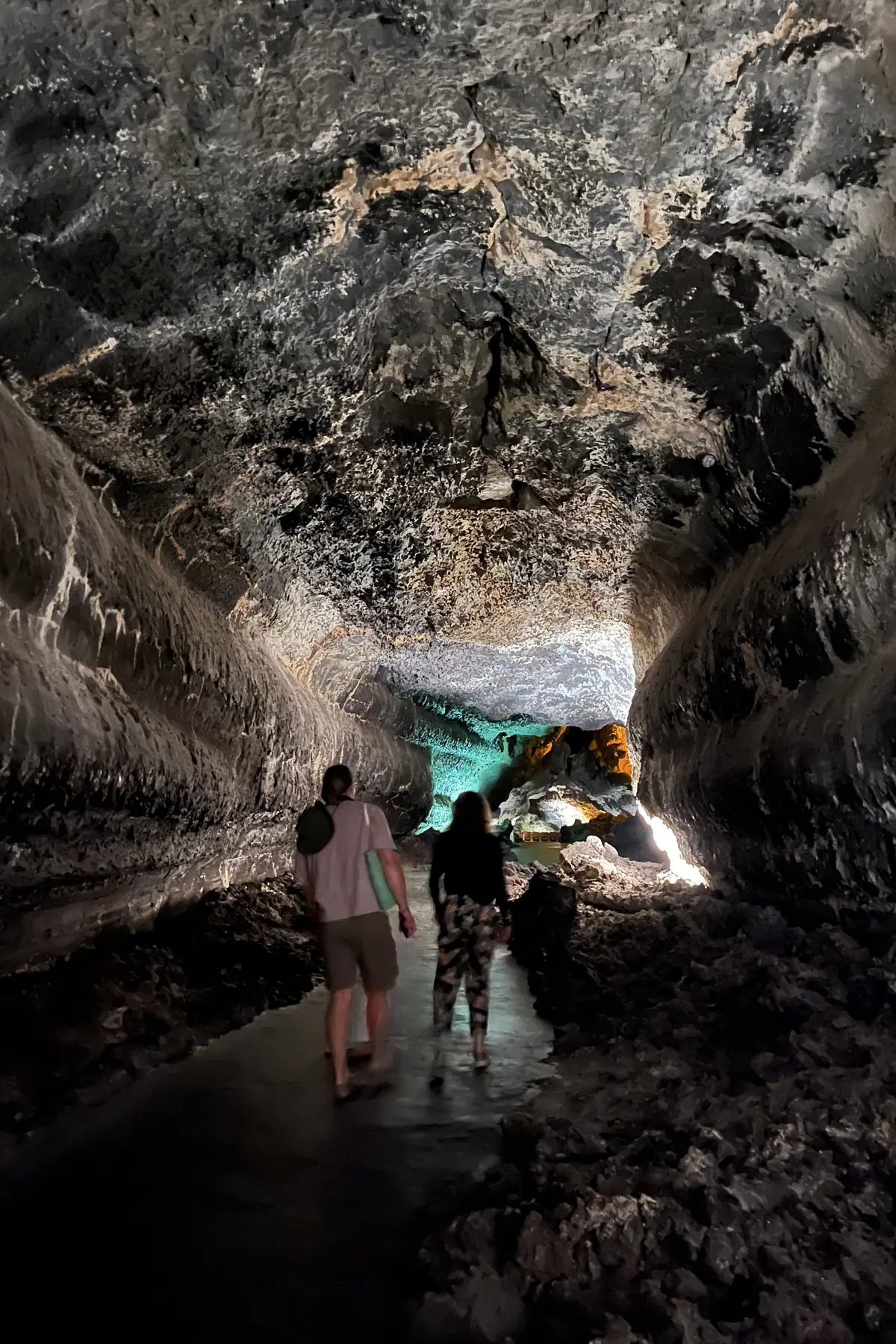
Beneath the north of Lanzarote, in a lava tunnel flooded by the sea, lives a community of animals that seems invented: worms that glow, transparent crustaceans and a blind predator — the remipede — belonging to a group so rare that science did not discover it until 1981. Several of these animals exist nowhere else on the planet: their home is, precisely, this tunnel. They live in total darkness, without plants, feeding on whatever the tide pushes inside twice a day. Biologists call this place "a window onto the deep ocean". You know it by its most famous doorway: the Jameos del Agua.
Creatures from another world beneath your feet
Beneath the north of Lanzarote, in a lava tunnel flooded by the sea, lives a community of animals that seems invented: worms that glow, transparent crustaceans and a blind predator — the remipede — belonging to a group so rare that science did not discover it until 1981. Several of these animals exist nowhere else on the planet: their home is, precisely, this tunnel. They live in total darkness, without plants, feeding on whatever the tide pushes inside twice a day. Biologists call this place "a window onto the deep ocean". You know it by its most famous doorway: the Jameos del Agua.
The devil of Timanfaya and the Virgin who stopped the lava
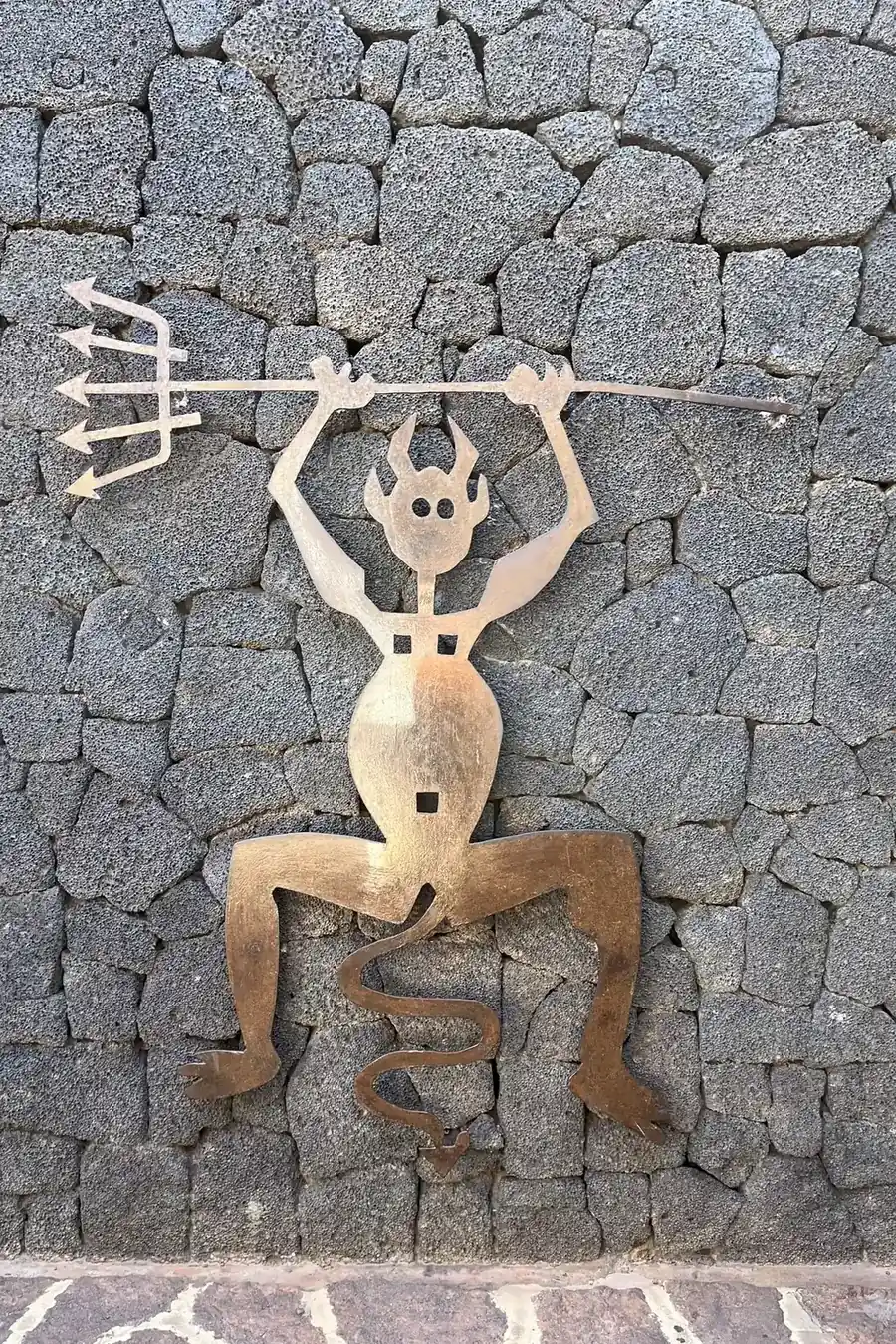
Every great eruption leaves lava — and legends. From the six years of fire of the 18th century, Lanzarote kept two that are still alive. One is the devil who danced among the flames: centuries later, César Manrique drew him with his trident and turned him into the official symbol of Timanfaya — the little devil you now wear on your T-shirt. The other is that of the Virgen de los Dolores: they say that when the lava was advancing on Mancha Blanca, the villagers went out to meet it with the image of the Virgin, and the river of fire stopped. Every 15 September, half the island walks in pilgrimage to her chapel to keep the promise. Myth or miracle, it is Lanzarote's best-loved fiesta.
The devil of Timanfaya and the Virgin who stopped the lava
Every great eruption leaves lava — and legends. From the six years of fire of the 18th century, Lanzarote kept two that are still alive. One is the devil who danced among the flames: centuries later, César Manrique drew him with his trident and turned him into the official symbol of Timanfaya — the little devil you now wear on your T-shirt. The other is that of the Virgen de los Dolores: they say that when the lava was advancing on Mancha Blanca, the villagers went out to meet it with the image of the Virgin, and the river of fire stopped. Every 15 September, half the island walks in pilgrimage to her chapel to keep the promise. Myth or miracle, it is Lanzarote's best-loved fiesta.
Arrecife & Costa Teguise
No photos, no spoilers — go and discover it for yourself.
6 places
Swipe to see them
Arrecife & Costa Teguise · 1/6
Castillo de San José · MIAC (Arrecife)
Modern art inside an 18th-century fortress by the sea.
Arrecife & Costa Teguise · 2/6
Castillo de San Gabriel
A small fortress on an islet, reached by an old bridge.
Arrecife & Costa Teguise · 3/6
Charco de San Ginés (Arrecife)
Fishing boats resting in a lagoon in the heart of Arrecife.
Arrecife & Costa Teguise · 4/6
Iglesia de San Ginés
The patron saint's church in the old heart of Arrecife.
Arrecife & Costa Teguise · 5/6
Playa del Reducto
A calm city beach sheltered by a reef.
Arrecife & Costa Teguise · 6/6
Pueblo Marinero (Costa Teguise)
A whitewashed square designed by Manrique for evenings out.
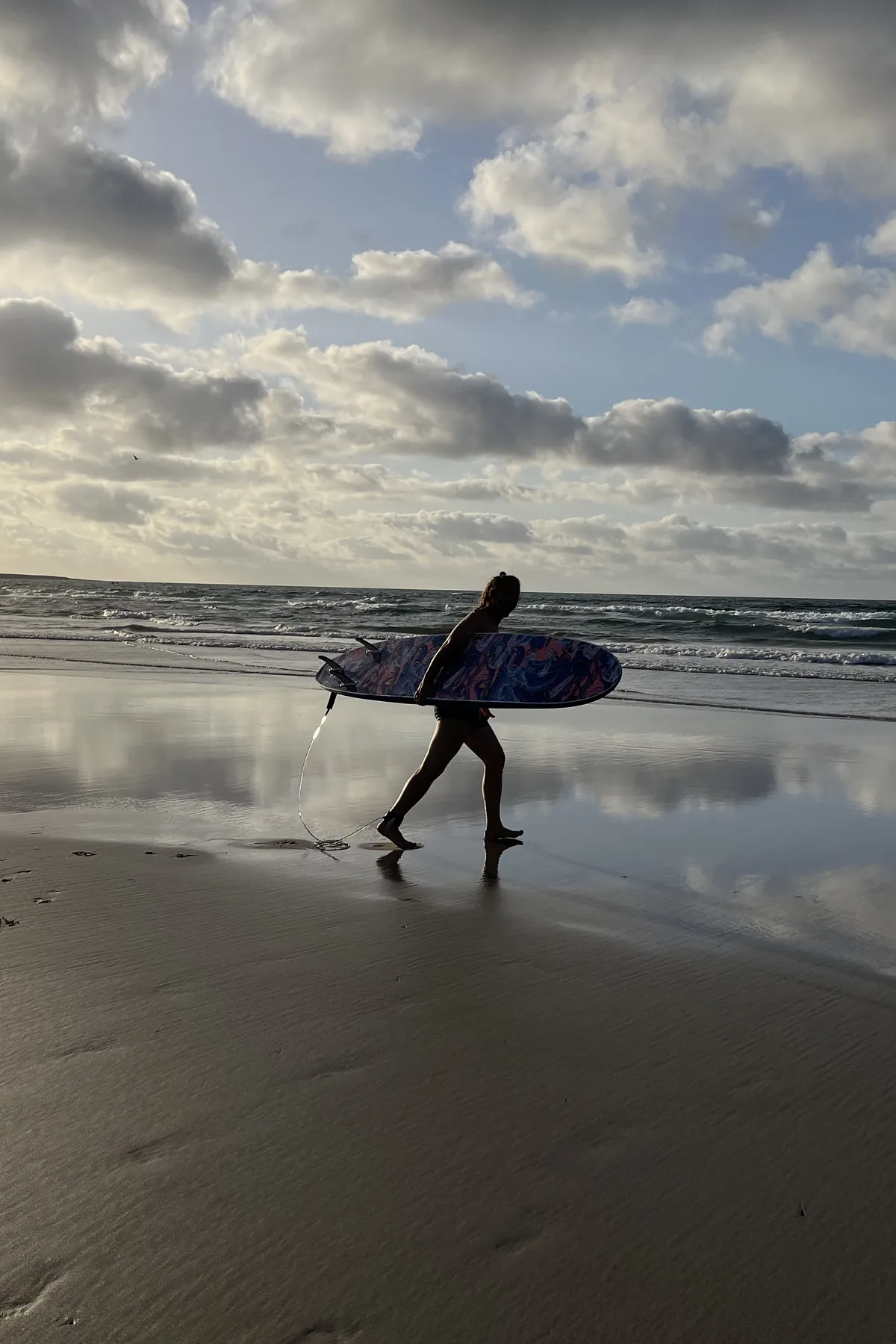
Surfing: El Quemao, Famara and the wave the champions respect
In the fishing village of La Santa breaks a wave that professional surfers pronounce with respect: El Quemao, a short, hollow, violent left over a lava seabed, nicknamed "the Canarian Pipeline". When it fires, the Quemao Class is held and big-wave chargers come from half the world. Twenty minutes away, the other side of the coin: the bay of Famara, five kilometres of sand beneath the cliff, the perfect surf school where half of Europe learnt to stand up. Lanzarote has been surfing since the seventies and it shows: there are schools, boards for hire and waves for every level — almost all year round.
Surfing: El Quemao, Famara and the wave the champions respect
In the fishing village of La Santa breaks a wave that professional surfers pronounce with respect: El Quemao, a short, hollow, violent left over a lava seabed, nicknamed "the Canarian Pipeline". When it fires, the Quemao Class is held and big-wave chargers come from half the world. Twenty minutes away, the other side of the coin: the bay of Famara, five kilometres of sand beneath the cliff, the perfect surf school where half of Europe learnt to stand up. Lanzarote has been surfing since the seventies and it shows: there are schools, boards for hire and waves for every level — almost all year round.
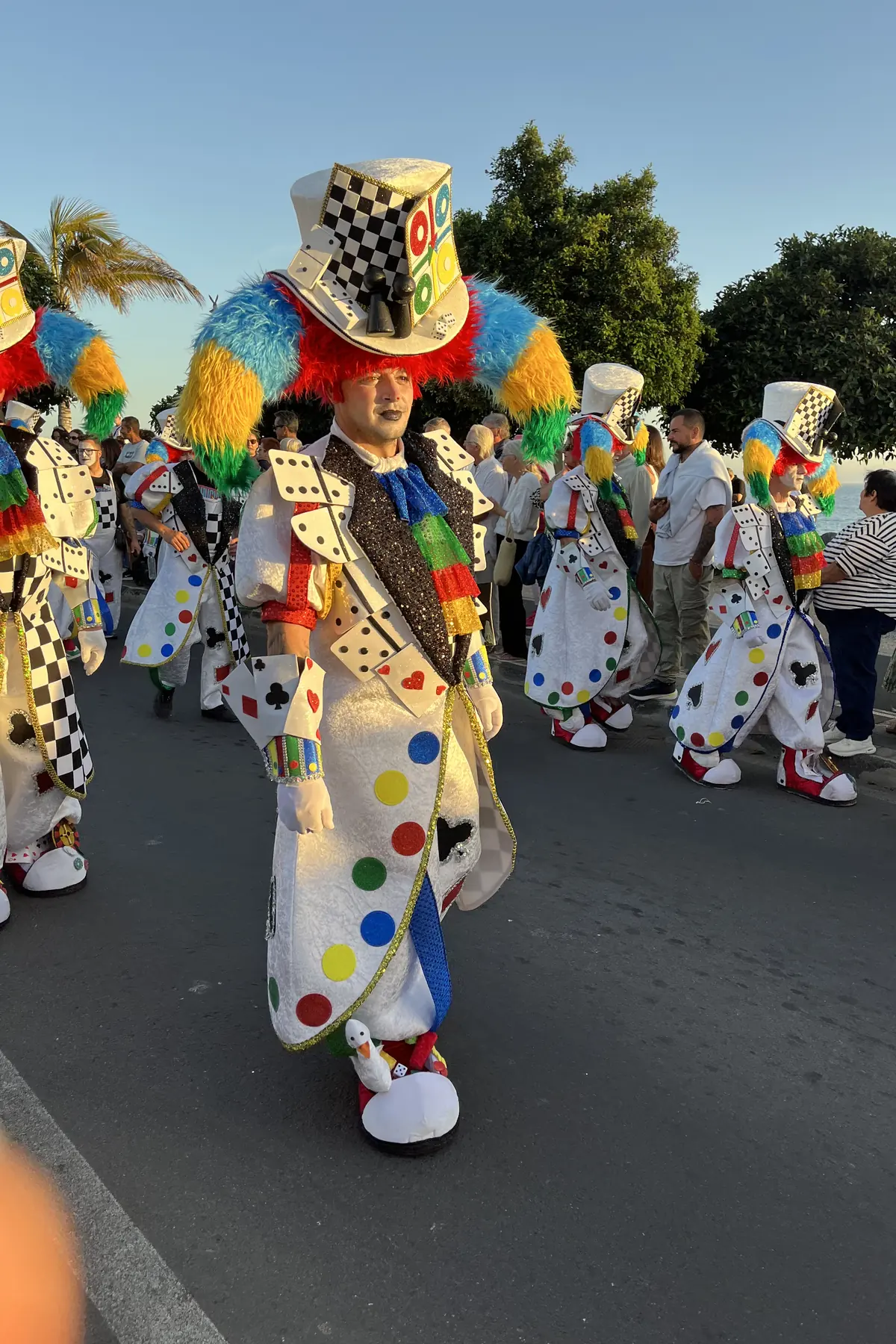
Music & shows
Concerts, theatre, dance and festivals coming up on the island. Date, venue, price and the official page.
5 upcoming events
Swipe to see them
Music & shows · 1/5
Thu, Oct 22 · 08:00 PM
Los Sara Fontán — y Pura Márquez
Música
Auditorio Cueva de los Verdes
20 €
Music & shows · 2/5
Fri, Oct 23 · 08:00 PM
Vierdingo — Compañía Esteban Garrido
Teatro
El Almacén
10 €
Music & shows · 3/5
Fri, Oct 30 · 12:00 AM
Soraia Cardoso — esFADO
Música
El Almacén
10 €
Music & shows · 4/5
Fri, Nov 6 · 12:00 AM
Ana Viciosa, la señora de Tinajo — Compañía Regañiza
Teatro
Auditorio de Jameos del Agua
25 €
Music & shows · 5/5
Fri, Dec 11 · 12:00 AM
Clavelitos — En concierto
Música
El Almacén
5 €
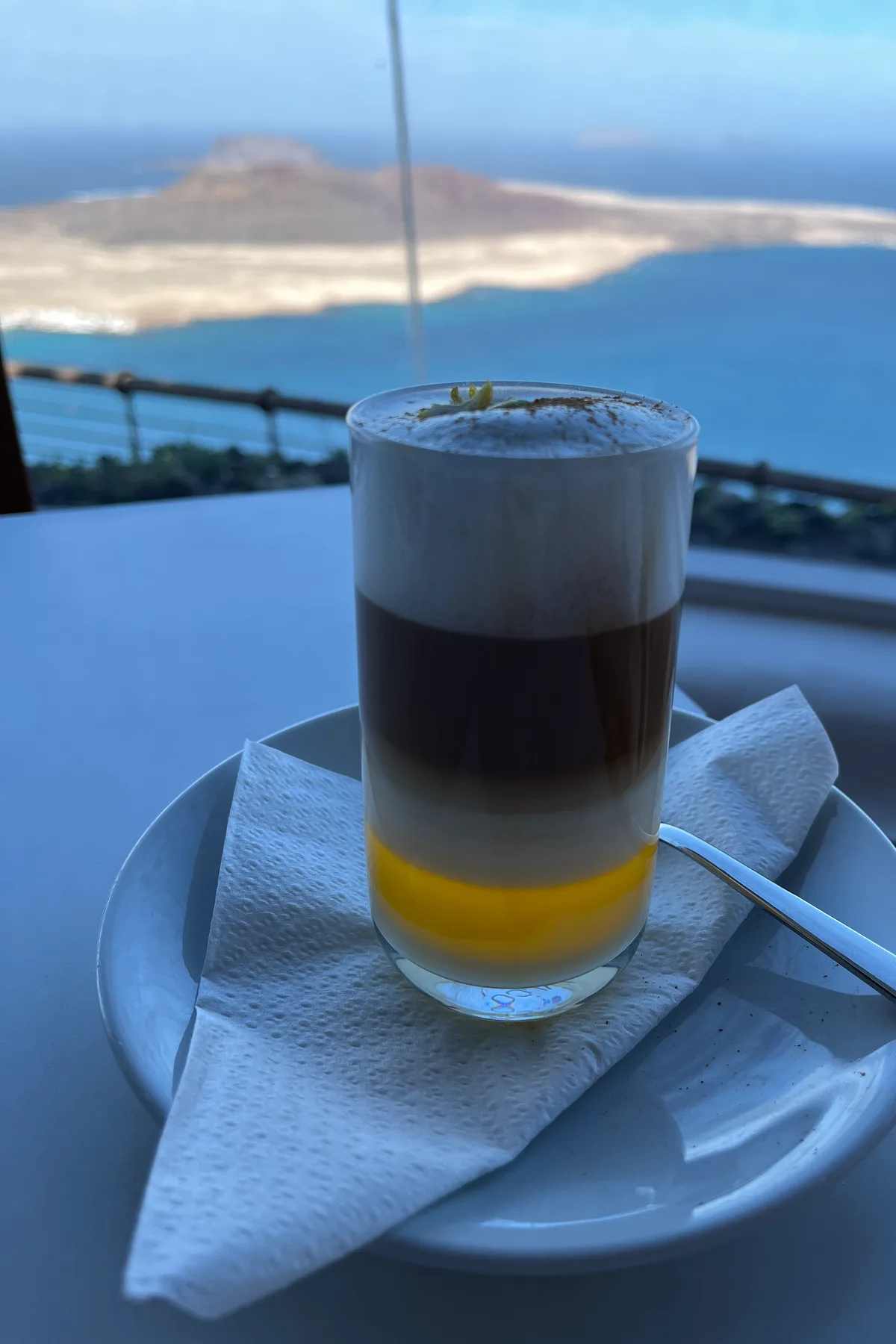
Sweet endings: quesillo, bienmesabe and the little glass that follows
The island's desserts come from the same clever poverty as everything else — eggs, gofio, almonds, condensed milk from the shop ship — and they punch far above their humility. The essentials: quesillo, the Canarian cousin of flan, denser and richer thanks to condensed milk; bienmesabe, an almond-honey-egg cream whose name means "it tastes good to me" (no argument here); frangollo, a corn-meal pudding with raisins that grandmothers defend fiercely; gofio in dessert mode — kneaded with honey and almonds, or over ice cream; and carnival's fried tortas dusted in sugar. Then the ritual glass: ronmiel (honey rum), a moscatel from the volcanic vineyards, or a barraquito-style layered coffee. Say yes to whatever the house offers after lunch. Refusing is technically legal, but nobody does it twice.
Sweet endings: quesillo, bienmesabe and the little glass that follows
The island's desserts come from the same clever poverty as everything else — eggs, gofio, almonds, condensed milk from the shop ship — and they punch far above their humility. The essentials: quesillo, the Canarian cousin of flan, denser and richer thanks to condensed milk; bienmesabe, an almond-honey-egg cream whose name means "it tastes good to me" (no argument here); frangollo, a corn-meal pudding with raisins that grandmothers defend fiercely; gofio in dessert mode — kneaded with honey and almonds, or over ice cream; and carnival's fried tortas dusted in sugar. Then the ritual glass: ronmiel (honey rum), a moscatel from the volcanic vineyards, or a barraquito-style layered coffee. Say yes to whatever the house offers after lunch. Refusing is technically legal, but nobody does it twice.
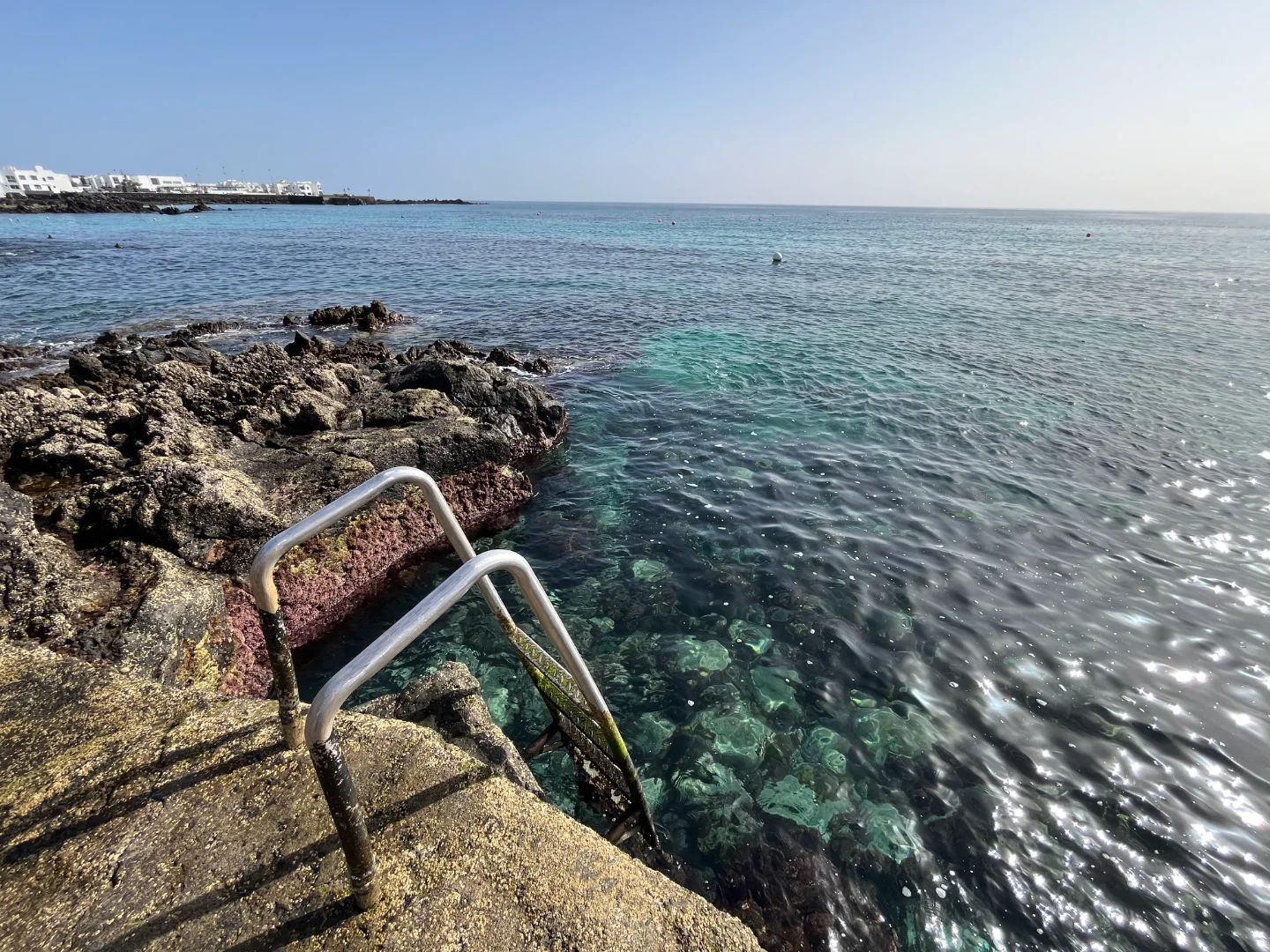
An Ocean of Adventures
Lanzarote is a small island with an enormous sea. More than two hundred kilometres of coastline wrap around it, and no point of the island is far from the sound of the Atlantic. But what makes this coast special is its variety: within a single day you can move from turquoise calm to wild ocean drama.