LMA

The natural pools: Punta Mujeres, Los Charcones and the art of the charco

Lanzarote · 3 min read

The natural pools: Punta Mujeres, Los Charcones and the art of the charco

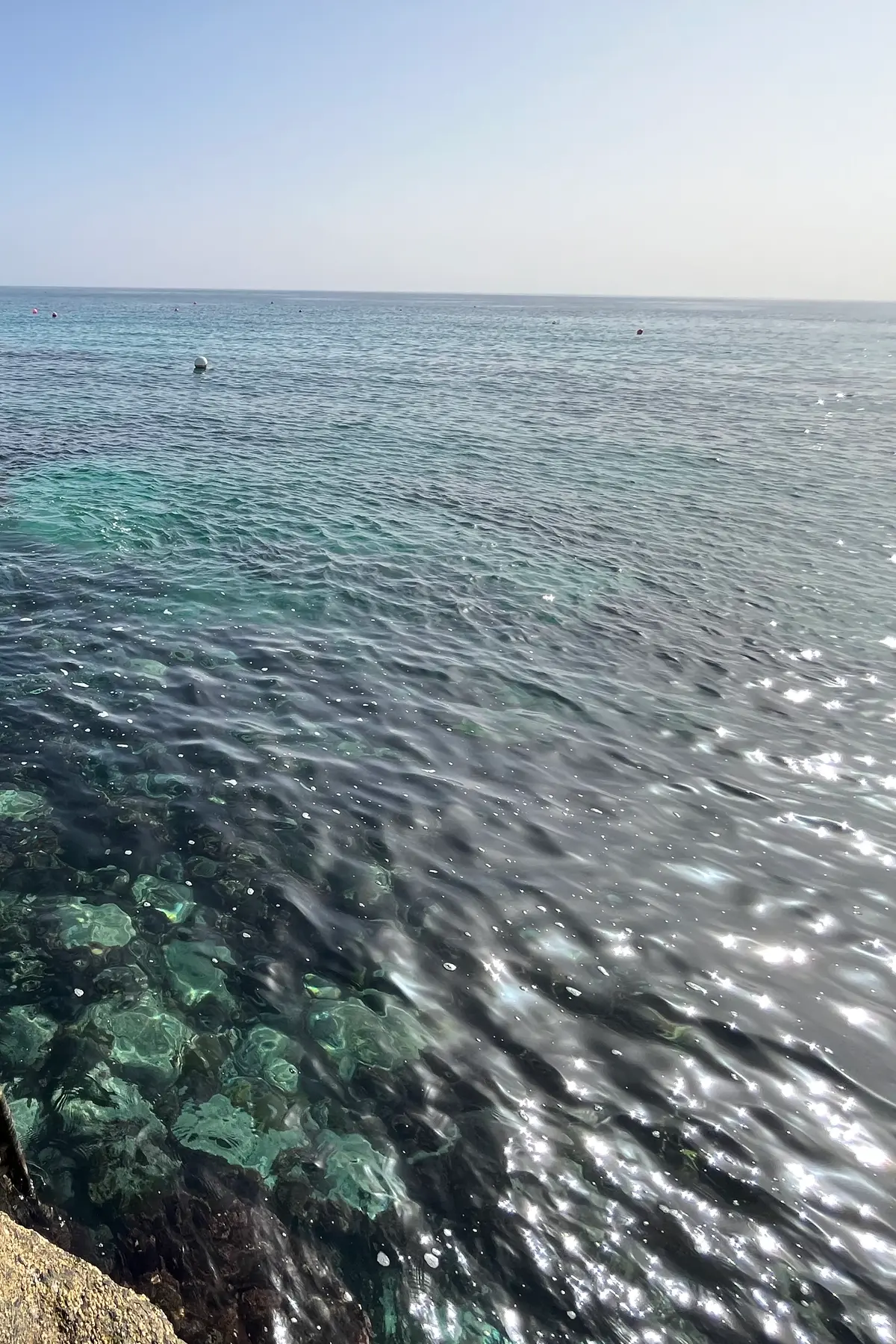
Between "beach" and "swimming pool", the island keeps a third category the brochures undersell: charcos — natural sea-pools in the lava, refilled by every tide. The friendliest live in Punta Mujeres, a whitewashed fishing village that is basically built around its pools: ladders, little platforms, grannies doing their daily lengths at nine sharp. The wildest are Los Charcones, below Montaña Bermeja near Playa Blanca — a chain of impossibly turquoise basins carved into dark lava cliffs, gorgeous and genuinely dangerous in swell. The rules of the charco are universal: go at low-to-mid tide, calm sea only, never turn your back on the ocean, and watch where locals swim. Master the timetable (the tides card) and you unlock a dozen of the island's best swims — most of them free of both sand and crowds.

The lava coast looks hostile to swimmers until you learn to read it: everywhere the flows met the ocean, they left pockets, arches and basins that the tides fill twice daily with clean, renewed seawater. Islanders have used these charcos as their neighbourhood pools forever — some improved with a ladder and a handrail, some left exactly as the volcano poured them. They're the most local aquatic experience the island offers: no entry fee, no music, plenty of unwritten rules.

Punta Mujeres is the capital of the domesticated charco. The village north of Arrieta strings its houses along a low lava shore threaded with pools — the biggest by the centre with steps and ladders, smaller ones tucked between houses like private baths that happen to belong to everyone. The scene is the point: kids leaping at high tide, the morning swimmers' club at their fixed hour, neighbours watering geraniums between dips. Water is glass-clear, refreshed by every tide, with enough small fish to justify a mask. Etiquette: this is a living village, not an attraction — park properly, keep voices down, buy your lunch locally (the fish here is serious). Nearby, Punta de la Vieja and the pools around Arrieta extend the collection.

Los Charcones are the other end of the spectrum: wild, unguarded, and on the right day the most beautiful swimming spot on the island. On the raw west side of the Playa Blanca peninsula, reached by a dusty track and a scramble, the ocean has carved a series of basins into low dark cliffs — turquoise bowls connected by channels, deep enough to swim properly, framed like infinity pools with the Atlantic exploding just beyond the rim. That framing is the warning: this coast takes the full west swell, and rogue sets wash over the rims with force. The protocol is absolute — calm-sea days only, low-to-mid tide, never alone, never on the outer rims, and if spray is crossing the pools, it's a photo stop, not a swim. People have needed rescuing here for ignoring exactly this paragraph.

Honourable mentions for your collection: the Charco del Palo pools on the naturist coast (swimwear optional territory — the village is one of Europe's oldest naturist enclaves, mentioned matter-of-factly, as the island does); the calmer lagoons of Caletón Blanco (card 76); and Punta Mujeres' cousins in every fishing village north of Arrecife. The general theory is always the same and always worth repeating: the tide is the timetable, the locals are the lifeguards' union, and a charco that's empty at golden hour usually isn't undiscovered — it's closed by swell, and the villagers all know it. Swim where the grannies swim. They have a perfect safety record.

Discover Lanzarote with LMA

More stories

An Island Carved by NatureWhite, Green and Volcanic: The Architecture of LanzaroteCésar Manrique: The Artist Who Shaped an IslandAn Ocean of AdventuresLife Beneath the WavesA Thousand Years of StoriesThe Taste of a VolcanoA Beach for Every MoodWine Grown in AshThe Island That Chose RestraintThe People Who Made This IslandThe Fire MountainsThe island's table: gofio, mojo and the art of honest cookingCycling: the professionals' winter gymLichens and tabaibas: how life comes back after a volcanoTeguise beyond the market: six centuries in white and basaltThe wind that explains (almost) everythingHalf a volcano, a green lake and a roaring coastlineThe lava tunnel that runs into the seaCreatures from another world beneath your feetSweet endings: quesillo, bienmesabe and the little glass that followsSailing: navigating the sea of the trade windsTales of the Timanfaya devilA river of sand crosses the island (and it doesn't come from the Sahara)600 degrees beneath your shoesMalpaís, lajial, hornitos: learn to read the lavaFarming without rain: the peasant engineering that amazes the worldThe devil of Timanfaya and the Virgin who stopped the lavaThe cochineal: the insect that dyed half of Europe redIllustrious visitors: a palace gifted between kings and the house Omar Sharif lost at cardsTides: the ocean breathes twice a dayThe eternal spring: why it's never cold here — nor too hotBeyond tourism: what the island exportsAloe vera: the island's green pharmacyLa Graciosa: the eighth island, no tarmac and no hurryErmita de las Nieves: the top of the wall (and the island's oldest weather report)Ajaches: the grand old mountains hiding behind PapagayoWhen it rains (yes, it happens): the island's rarest spectacleUnder the darkest sky: stargazing on the volcano islandWine from the ashes: La Geria and the miracle of malvasía volcánicaSpeak like a conejero: little words that open the islandTimple, isas and the Rancho de Teguise: the island's soundtrackWhat the names mean: reading the map's oldest language1852: the year the islands went duty-free (and why your shopping still is)Europe's biggest marine reserve is right next doorCaletón Blanco: white sand on black lava (the north's little Caribbean)Playa del Risco: the beach you have to earn (or the island's best-kept walk)The island's guardians: the projects that look after itReading the ocean: flags, currents and swimming like a localPlan B: the art of the "bad-weather" day (a user's manual)The suitcases to Havana: when conejeros crossed the seaBeyond La Graciosa: Alegranza, Montaña Clara and the wild end of the worldArrecife: the capital that grew out of a puddle (a love letter)Papagayo done properly: the golden coves without the golden crowdsThe north loop: palms, cliffs and the island's greenest morningEat where the boats land: a fish-village crawlThe sunset circuit: five ways the island ends a dayThe Stratified City: the labyrinth the wind carved (and nobody visits)Where astronauts learn to walk on other worldsIllustrious islanders: Einstein's physicist, the voice of "El talismán" and the barber of HaríaWhite gold: the salt pans that fed half a fleetThe island the pirates wouldn't leave in peaceWho lives on the island (and who visits it)?The island's calendar: a whole year of fiestas and eventsWhat exactly is the calima?Puerto del Carmen: the little fishing village where it all began (and the parrots' corner)Fifteen million years: the veteran of the archipelagoThe blind crab: white, tiny and found nowhere else on EarthThe hanging garden of FamaraSan Borondón: the island that appears and disappearsSurviving without rain: the tricks of the coastal plantsSurfing: El Quemao, Famara and the wave the champions respect