LMA

A Thousand Years of Stories

Lanzarote · 2 min read

A Thousand Years of Stories
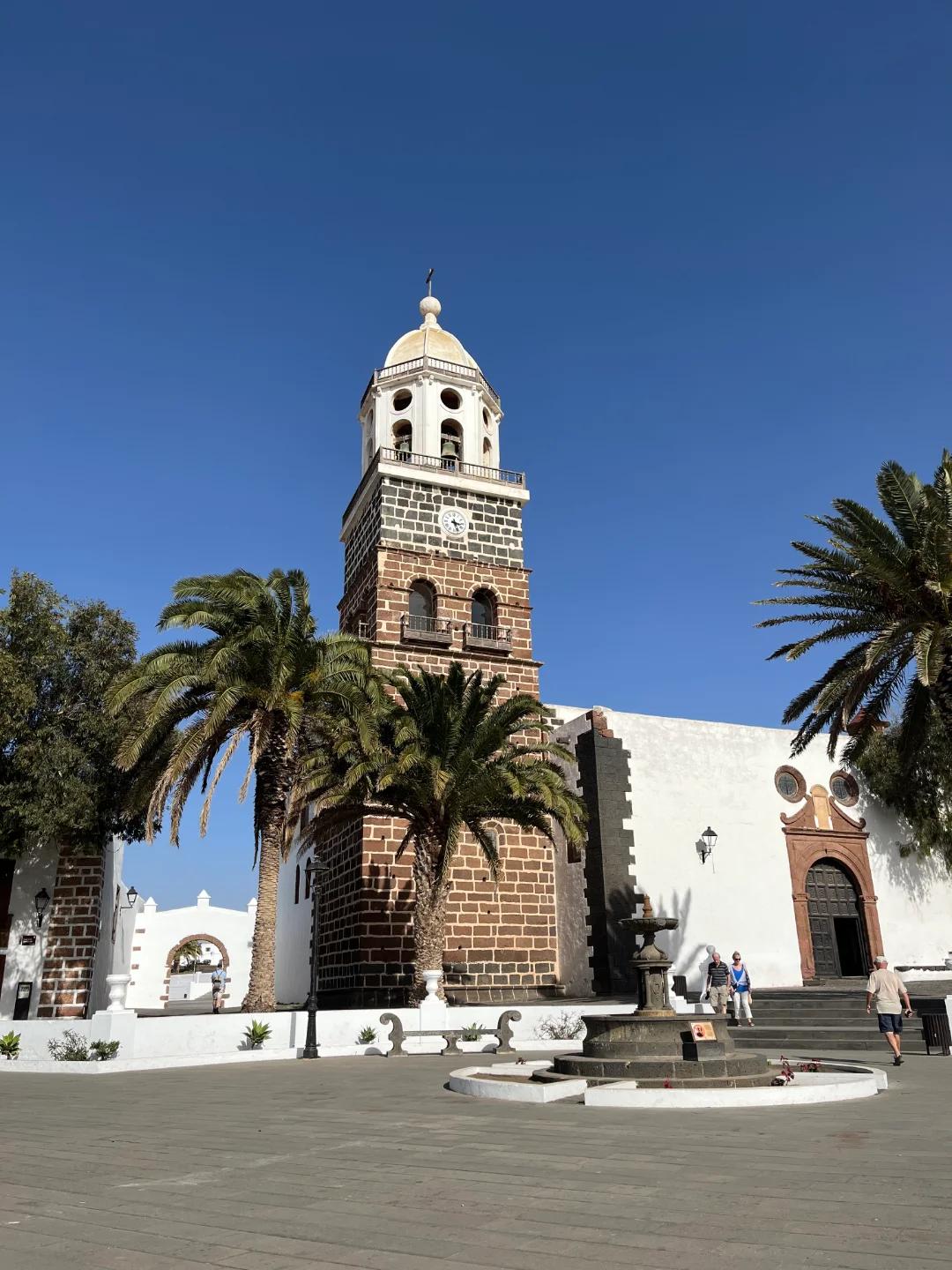
Foto: LastMinuteAdventure

Before the beaches and the volcano tours, Lanzarote was already old. The island's first inhabitants, the Majos, arrived from North Africa many centuries before Europeans, and learned to survive on an island with almost no fresh water — herding goats, farming barley, storing rain in hollows of the rock, and leaving behind enigmatic carvings and the foundations of their stone houses.

Europe stumbled upon Lanzarote at the dawn of the age of exploration. The island owes its modern name to a Genoese navigator, Lancelotto Malocello, who arrived around the beginning of the fourteenth century. In 1402, the Norman knight Jean de Béthencourt landed in the south and began, from Lanzarote, the European conquest of the Canary Islands — making this small island the doorway to an entire archipelago.

The centuries that followed were harsh and dramatic. From its hilltop above Teguise, the Castillo de Santa Bárbara watched for the sails of pirates and corsairs — Berber, English, French — who raided the island again and again; islanders learned to hide in volcanic caves like the Cueva de los Verdes, whose tunnels sheltered entire villages. On the coast, fortresses like the Castillo de San Gabriel and the Castillo de San José still stand guard over Arrecife's harbours.

Then came the volcano. The great eruptions of 1730–1736 buried some of the island's most fertile land and pushed many families to emigrate — yet those who stayed invented new ways to farm on ash, from the vineyards of La Geria to fields mulched with volcanic gravel. In the nineteenth century, Lanzarote lived from salt, fishing and the cochineal insect, which produced a crimson dye prized across Europe; Arrecife, city of ports, became the capital in the mid-1800s.

The twentieth century brought the island's greatest transformation: tourism — guided, thanks to César Manrique and a far-sighted generation, along a path that protected the island's soul. Today's Lanzarote is the sum of all these lives: aboriginal shepherds, navigators, pirates, wine farmers and artists. Walk anywhere on the island, and a thousand years walk with you.

Discover Lanzarote with LMA

More stories

An Island Carved by NatureWhite, Green and Volcanic: The Architecture of LanzaroteCésar Manrique: The Artist Who Shaped an IslandAn Ocean of AdventuresLife Beneath the WavesThe Taste of a VolcanoA Beach for Every MoodWine Grown in AshThe Island That Chose RestraintThe People Who Made This IslandThe Fire MountainsA river of sand crosses the island (and it doesn't come from the Sahara)600 degrees beneath your shoesMalpaís, lajial, hornitos: learn to read the lavaFarming without rain: the peasant engineering that amazes the worldThe devil of Timanfaya and the Virgin who stopped the lavaThe cochineal: the insect that dyed half of Europe redIllustrious visitors: a palace gifted between kings and the house Omar Sharif lost at cardsTides: the ocean breathes twice a dayThe eternal spring: why it's never cold here — nor too hotBeyond tourism: what the island exportsAloe vera: the island's green pharmacyLa Graciosa: the eighth island, no tarmac and no hurryErmita de las Nieves: the top of the wall (and the island's oldest weather report)Ajaches: the grand old mountains hiding behind PapagayoWhen it rains (yes, it happens): the island's rarest spectacleWine from the ashes: La Geria and the miracle of malvasía volcánicaSpeak like a conejero: little words that open the islandTimple, isas and the Rancho de Teguise: the island's soundtrackWhat the names mean: reading the map's oldest languageEurope's biggest marine reserve is right next doorPlaya del Risco: the beach you have to earn (or the island's best-kept walk)The island's guardians: the projects that look after itReading the ocean: flags, currents and swimming like a localPlan B: the art of the "bad-weather" day (a user's manual)The suitcases to Havana: when conejeros crossed the seaBeyond La Graciosa: Alegranza, Montaña Clara and the wild end of the worldArrecife: the capital that grew out of a puddle (a love letter)The natural pools: Punta Mujeres, Los Charcones and the art of the charcoPapagayo done properly: the golden coves without the golden crowdsThe north loop: palms, cliffs and the island's greenest morningEat where the boats land: a fish-village crawlThe sunset circuit: five ways the island ends a dayThe Stratified City: the labyrinth the wind carved (and nobody visits)Where astronauts learn to walk on other worldsIllustrious islanders: Einstein's physicist, the voice of "El talismán" and the barber of HaríaWhite gold: the salt pans that fed half a fleetThe island the pirates wouldn't leave in peaceWho lives on the island (and who visits it)?The island's calendar: a whole year of fiestas and eventsWhat exactly is the calima?Puerto del Carmen: the little fishing village where it all began (and the parrots' corner)Fifteen million years: the veteran of the archipelagoThe blind crab: white, tiny and found nowhere else on EarthThe hanging garden of FamaraSan Borondón: the island that appears and disappearsSurviving without rain: the tricks of the coastal plantsSurfing: El Quemao, Famara and the wave the champions respectCycling: the professionals' winter gymLichens and tabaibas: how life comes back after a volcanoTeguise beyond the market: six centuries in white and basaltThe wind that explains (almost) everythingHalf a volcano, a green lake and a roaring coastlineThe lava tunnel that runs into the seaCreatures from another world beneath your feetSweet endings: quesillo, bienmesabe and the little glass that followsSailing: navigating the sea of the trade windsTales of the Timanfaya devil